
Leading water engineers are now treating data as a deliverable, and it’s changing the way they think about major projects.
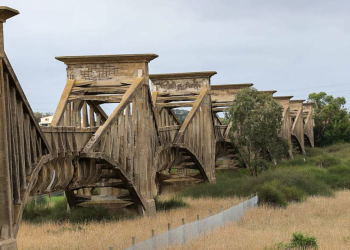
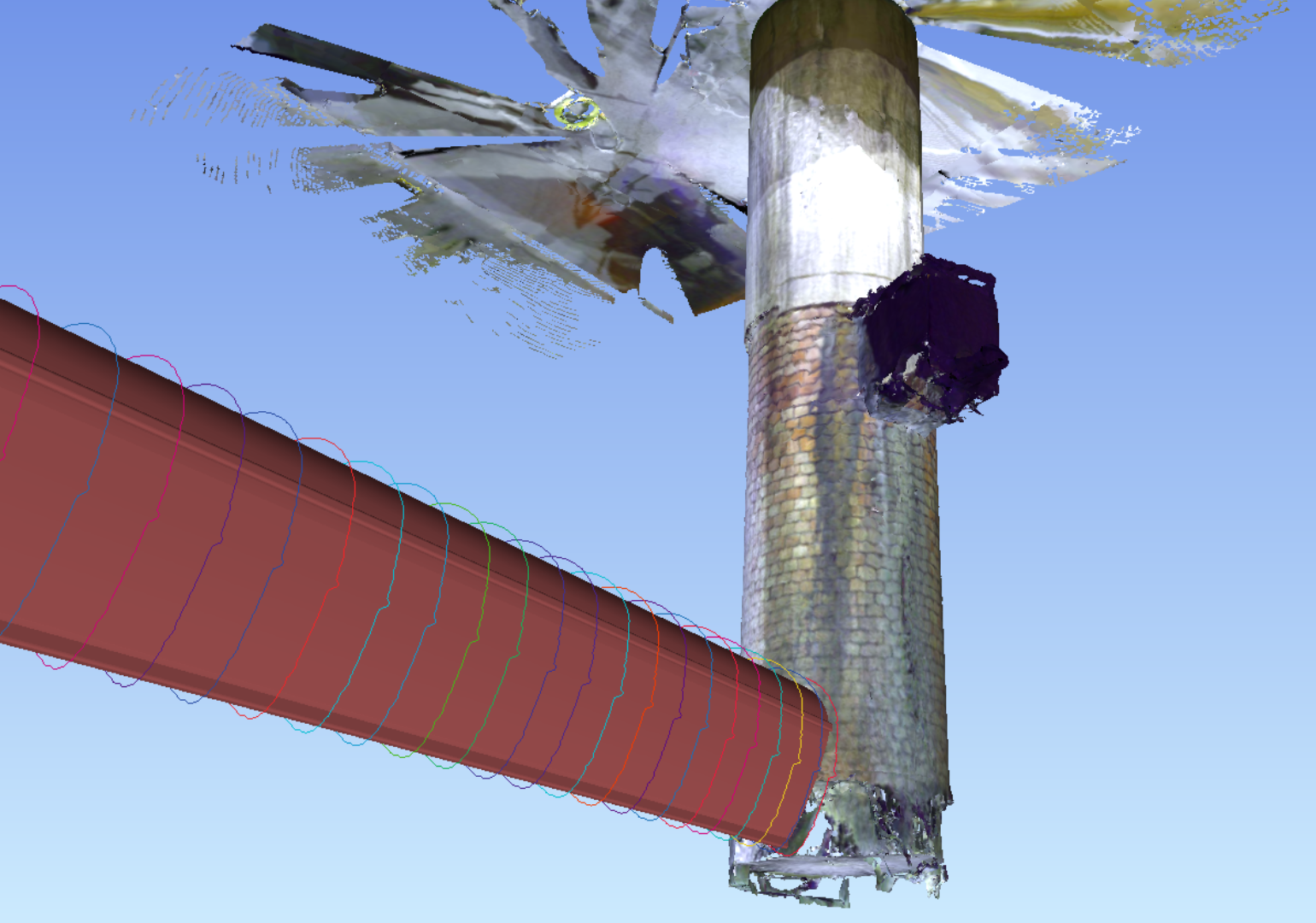
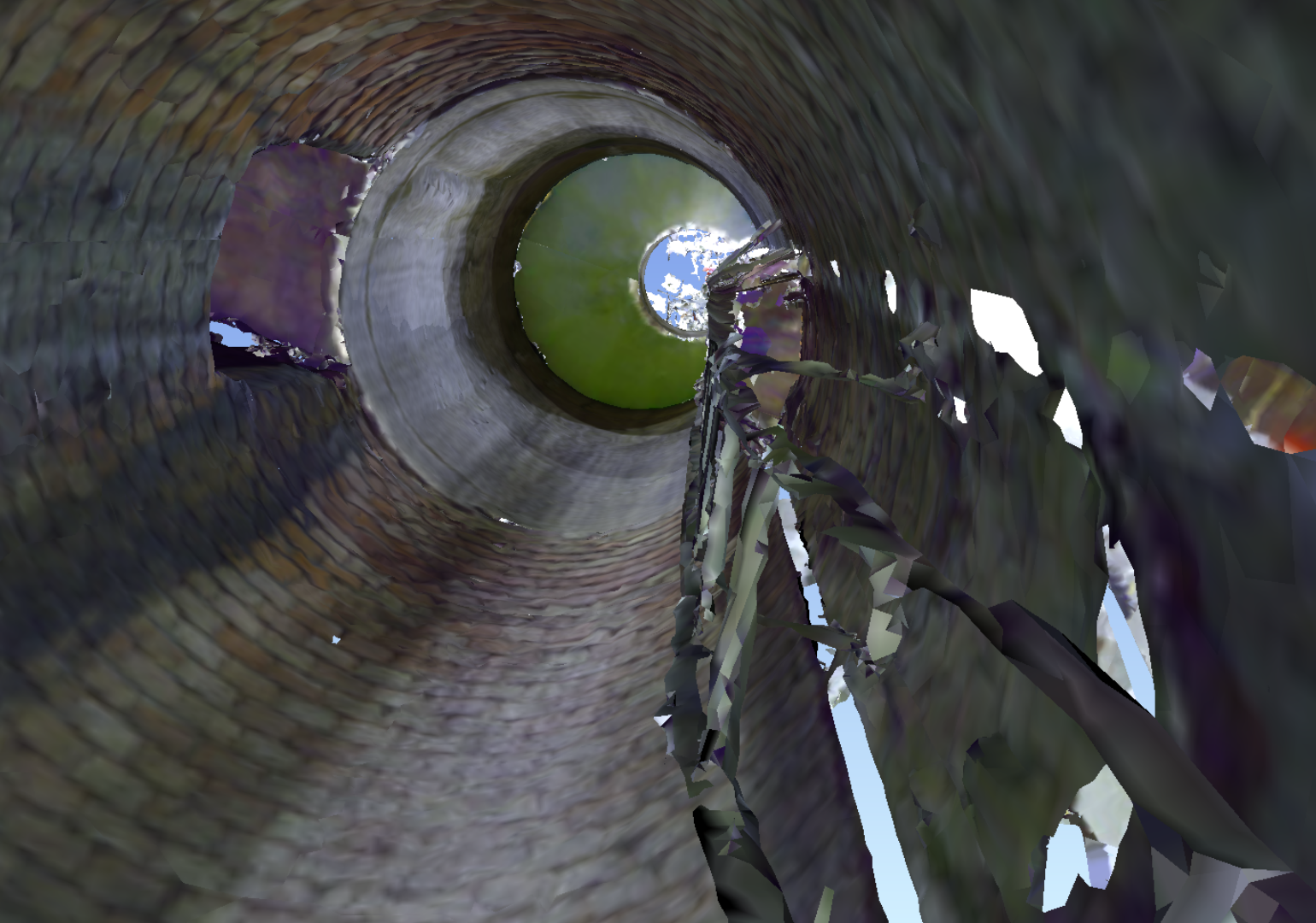
When SMEC took on a sewer renewal project in Melbourne, the existing conditions arrived in the form of around one thousand DXF files containing survey footage from an old red brick ovoid sewer. Every file sat at a 0,0 coordinate, with the only clue to its position buried in the filename.
The engineers created scripts to write the process and automate it, using visual programming and 3D modelling to align and stack the scan data, reconstruct the sewer geometry and build a clearance envelope for jacking the new pipe through – finding the choke point before procurement of 500 half-metre segments that had to fit first time.
“Doing all of that manually would have taken us two or three days,” said Adam Freer, Global Digital Delivery Manager for Water at SMEC. “We did it in one hour.”
It reflects an old-fashioned engineering philosophy that remains as relevant as ever in the digital age: develop repeatable processes and reusable knowledge that can be applied consistently across projects.
A mixed stack
Hydrological and hydraulic modelling still largely happens in the software that the clients specify, while detailed design is developed across Autodesk solutions such as Civil 3D, the Plant 3D toolset in AutoCAD, and Revit and coordinated with federated models. Interoperability is therefore less a product question than one of data governance and information management.
“Information loss can be a challenge,” Freer said, “but that data governance and information management piece is super important. We use Autodesk’s design and make products which we can connect to other products to form an integrated ecosystem. This allows us to bring in more data while strengthening governance and supporting the ISO 19650 framework.”
According to Dan Spackman FIEAust CPEng EngExec, SMEC’s Global Executive Director of Water Infrastructure, maintaining information continuity across modelling, design and coordination environments helped engineering teams work from a consistent source of information throughout project delivery.
“For clients, that means greater confidence that decisions are based on current and coordinated data rather than fragmented project files,” he said.
The software has to meet clients where they are, and bringing them along is its own task.
“We need to take our clients on a bit of a journey to imagine what’s possible. Adopting a digital mindset is no longer optional – it’s essential.”
The idea is not thinking about an asset as a point in time, but rather looking at them more holistically and managing the flow of information accordingly. In the example of the ovoid sewer, it now means that files are giving way to data, and data is now considered part of the handover. It’s a more efficient way to deliver projects, because exchanging files slows everyone down.
Model first, document after
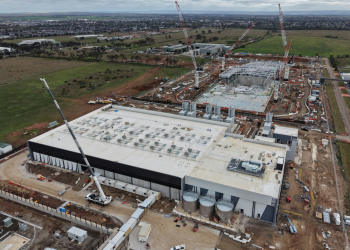
The clearest demonstration of the way digital is changing projects is the Malabar System Alliance, one of Sydney Water’s largest current programs, where SMEC is a design participant alongside Acciona and Sydney Water on major upgrades at the Liverpool and Glenfield water resource recovery facilities.
Detailed design runs across Civil 3D, the Plant 3D toolset in AutoCAD, and Revit, with project data and collaboration managed in Autodesk Forma (previously Autodesk Construction Cloud). Forma Data Management is used for markup and issue tracking and using Dynamo scripts for populating metadata through design authoring software. Comment close-out has moved off spreadsheets and into tracked issues.
Because Sydney Water set clear digital requirements at the outset, Freer could mandate a sequence many teams still invert.
“Model first, document after,” he said. “The value wasn’t just modelling first, it was being able to make critical decisions using the models, which then allows us to coordinate discipline design development, perform clash detection and clash avoidance – with everyone in multiple offices able to pull that data together and share what needs changing, rather than waiting six weeks for a set of PDFs.”
Delivering across several entities and offices also meant meeting data sovereignty requirements, which are particularly sensitive for government-owned water utilities operating critical infrastructure.
Digital twins
Ask ten engineers what a digital twin is and you will get ten answers, Freer said. His own definition is demanding: live, design and asset data combined in one ecosystem used to operate the asset. By that standard, SMEC does not hand over twins.
“We’re handing over data-rich models, based on requirements of the client, for them to then add additional information and put that into a digital twin.”
The harder case is a client asking for no digital requirements at all. SMEC’s answer is a corporate baseline of metadata embedded in every model regardless – enabling carbon calculations and quantities, and leaving something clients can build on later.
“You should start from the end,” Spackman said, “and work backwards to align your digital delivery with the desired endpoint.”
For asset owners, this means information generated during design is not lost at handover. Instead, it can be retained and built upon to support future operational and asset management needs.
READ: Mining’s second act – engineering landforms with a self-sustaining future
The brownfield test
Much of SMEC’s Australian water work is renewal, not greenfield.
“Australia, like many developed economies, had significant post-war investment,” Spackman said. “A lot of those assets are getting to the point of renewal, so we need to bring digital solutions to interface with pre-existing information.”
That has pushed point cloud to mesh workflows to the centre of the practice – LiDAR and drone imagery for embankment and dam upgrades, CCTV and handheld scanning where assets are buried – though survey quality around underground services remains uneven.
Only a decade ago, scanning was expensive and slow. Today it can be undertaken using terrestrial, handheld or in-pipe technologies, putting contextual asset information in engineers’ hands early to influence engineering decisions.
WEBINAR: Making infrastructure decisions for an uncertain future