
Whether for tourism, advertising, geological surveys or cargo shipping, the humble balloon has always had a reason to stay afloat.
Airships, hot air balloons, zeppelins, dirigibles, aerostats, thermal airships. Call them what you will, they’ve managed to survive seemingly against the odds.
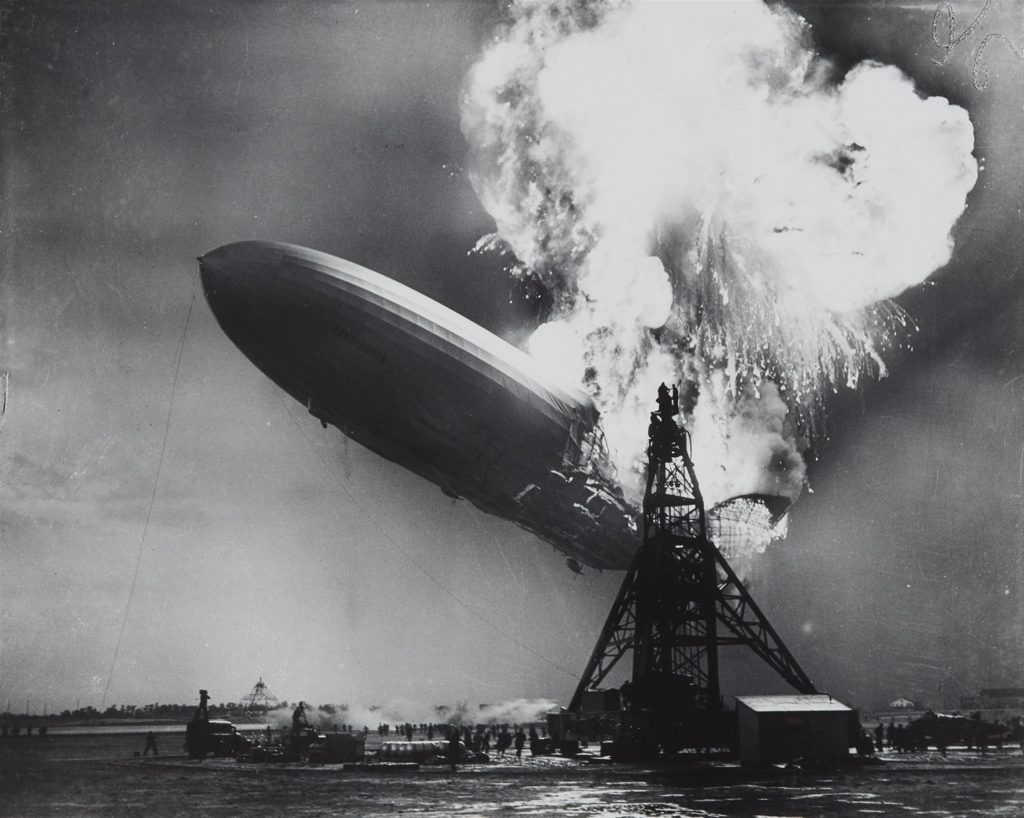
Various experiences from throughout history – including the 1897 North Pole expedition resulting in the deaths of three Swedish adventurers, the 1937 Hindenburg disaster and the 2011 Goodyear blimp crash in Germany that took the life of its Australian pilot – might have seen them relegated.
Instead, the aerospace sector is experiencing a resurgence in lighter-than-air (LTA) technology, considered more sustainable in terms of fuel use, noise pollution and ground infrastructure requirements.
According to U-LTA, a European body initiated to upscale LTA technology, it is being considered for:
- Long-haul cargo
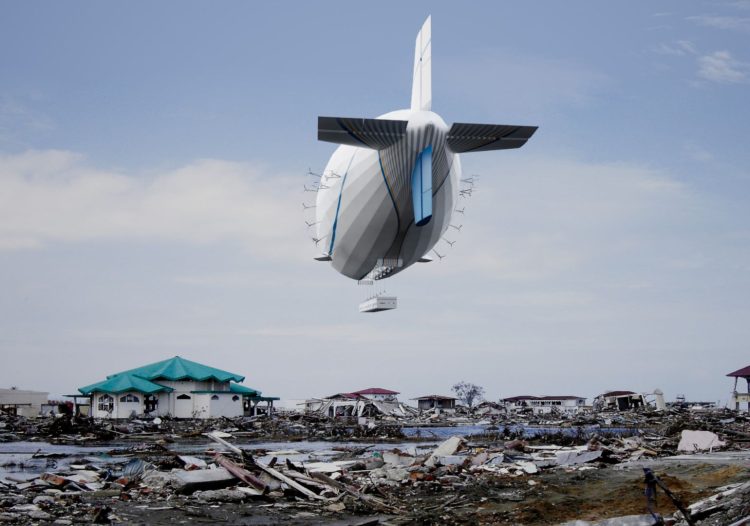
- Telecommunication in remote or disaster-affected areas
- Infrastructure inspection, including powerlines and pipelines
- Surveillance
- Emergency aid
- Passenger transport
Old and new
Empyreal Galaxy, a Mumbai-based airship manufacturer, is combining age-old engineering with new materials and technologies.
The lightweight envelope of its planned airship utilises a combination of aluminium and carbon fibre, with each airship claiming a working life of 40 years. Its first generation, with a payload capacity of 15-20 t, will be powered by standard aero engines. Later models are planned to have power supplied by solar photovoltaic units and batteries.
LTA Research is combining titanium, Kevlar and carbon fibre reinforced polymers in its hulls, with 12 electric motors lining the sides and tail, each of which can rotate 180 degrees. This will offer excellent low-speed and high-wind manoeuvrability. LiDAR sensors will continuously calculate the volume of helium in the gas cells.
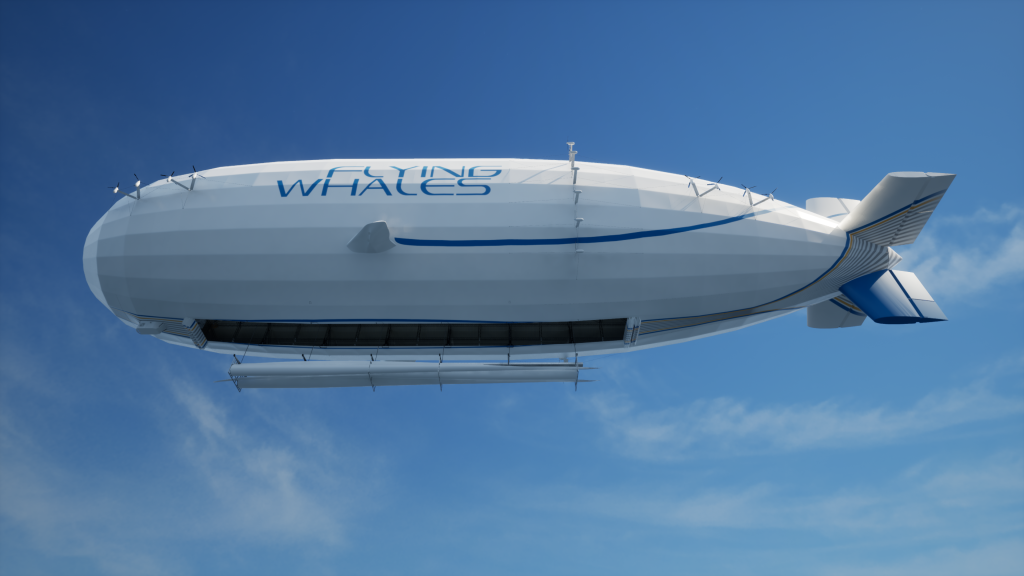
Flying Whales, a French airship producer, is developing a vehicle known as the LAC60T that utilises 180,000 cubic metres of helium to lift 60 t payloads into remote areas. The hull, 200 m long and 50 m in diameter, will boast a 96 m long, eight-metre high and seven-metre wide cargo hold. The LAC60T is expected to have a maximum speed of 100 kph and a flight ceiling of 3000 m.
Flying Whales is currently working with the Ivory Coast’s Ministry of Transport to decarbonise freight transport with a fleet of 160 airships connecting 22 countries.
Another model, pioneered by organisations such as AT2 Aerospace with technology developed at Lockheed Martin, combines aerostatic lift with aerodynamic lift from the hull, meaning both vertical and running take-off are possible.
AT2’s Z1 hybrid airship claims a payload of 21 t and an ability to carry 19 passengers, with a range of 1400 nautical miles. It should have the ability to land on fields, water, snow or sand, with an air-cushioned landing system borrowing from hovercraft technology.
Load exchange
When a technical problem arose in the Goodyear blimp he was piloting in Germany in 2011, Australian pilot Michael Nerandzic took the airship to two metres from the ground and told the three passengers to jump for their lives. The change in weight caused the airship to rise suddenly. A fire then quickly consumed the airship and Nerandzic died in the crash.
It was a tragic demonstration of one of the greatest technical risks of airship operation – the load-exchange challenge. How can designers get around this?
In the case of the LCA60T, as the airship begins lifting cargo, the plan is to simultaneously pump water up into the baffled (to prevent sloshing) ballast tanks. When cargo is delivered, the tanks are emptied. Hybrid airships, on the other hand, rely more on their heavy on-ground nature. When the payload is dropped, the airship will typically be settled.
Australia’s involvement
In the Australian outback, billions must be spent on roads and railways to transport resources. These vast distances could instead be served by cargo airships, reducing carbon footprints of mining operations.
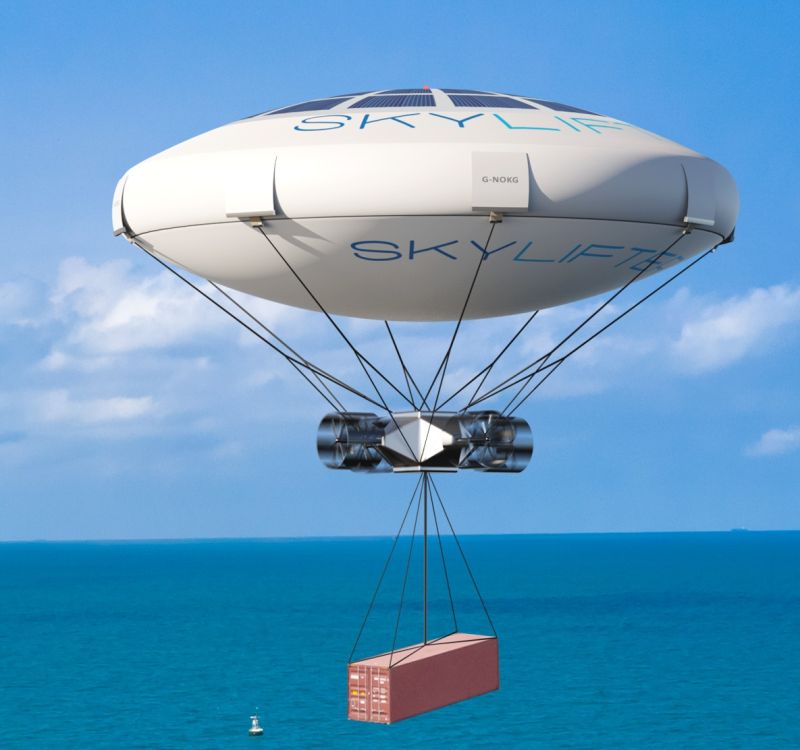
It’s not surprising, then, that some projects are considering the Australian outback for their development. One is Skylifter, a mega-lifting drone also being touted as a flying crane.
The Skylifter concept is a saucer-shaped gas balloon system with a top covered in solar panels, a biodiesel propulsion system, a flight deck suspended below the hull, and lifting infrastructure below that, planned to be capable of lifting 150 t. Range is estimated at 2000 km and air speed 83 kph.
This story was originally published in the February 2026 edition of create with the headline “Lighter than air”.
Explore more innovative approaches to aviation at the Congress of the International Council of the Aeronautical Sciences.