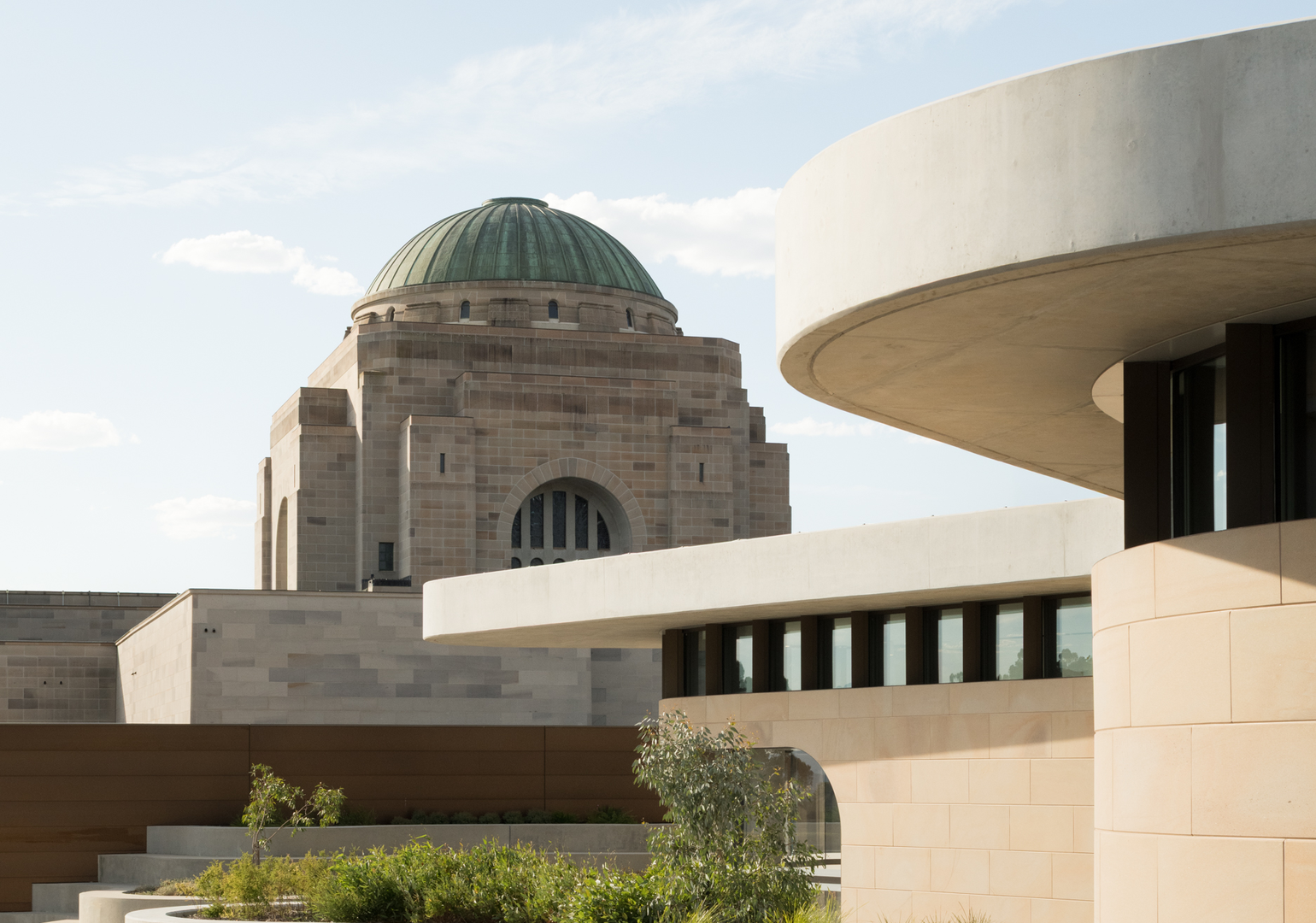
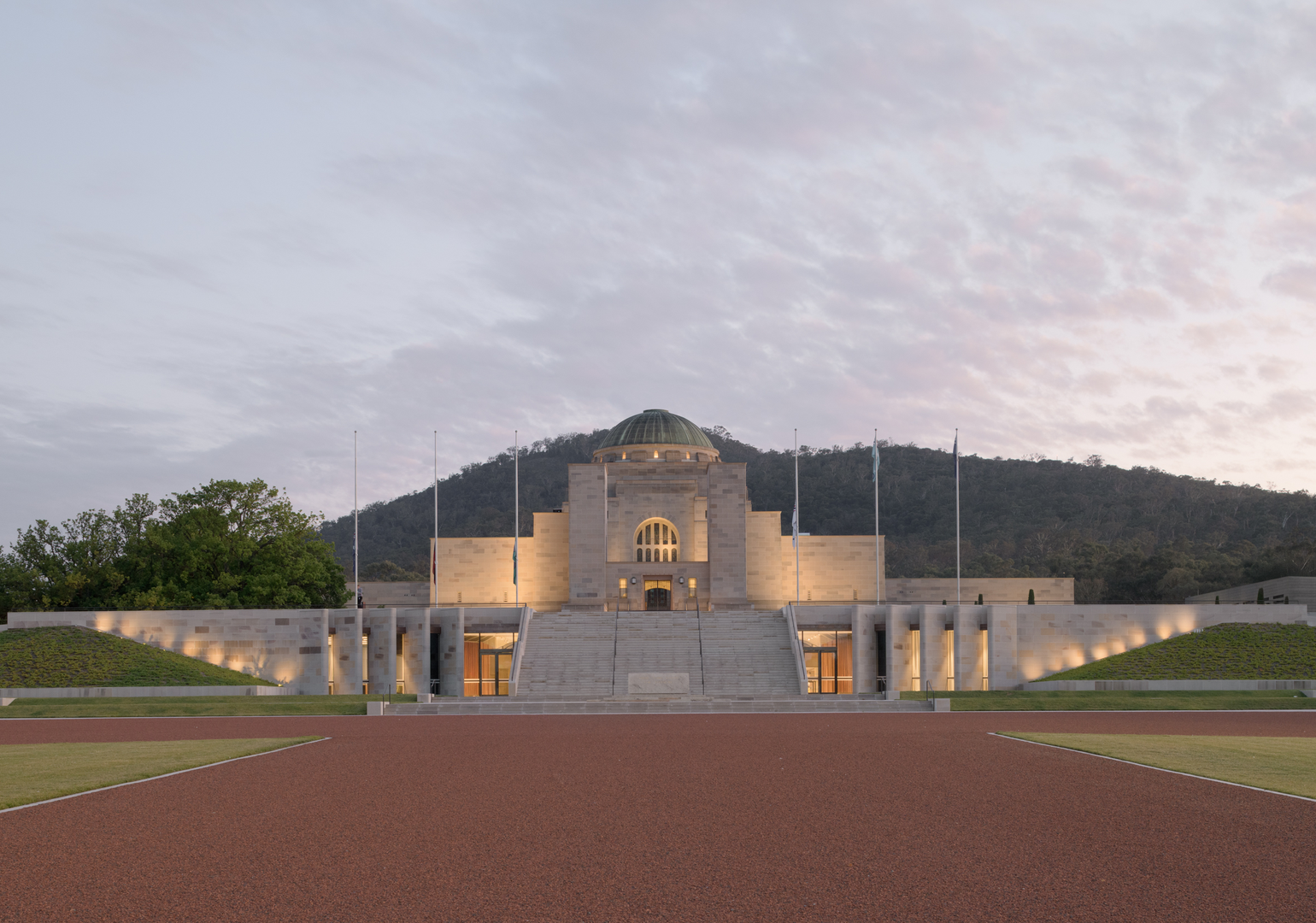
Extraordinary technical challenges were overcome during the Australian War Memorial’s redevelopment, but the greatest achievement was the culture of collaboration.
Seven years ago, when work first began on the Australian War Memorial (AWM), the AWM’s Director Dr Brendan Nelson gathered the entire project team on the memorial’s famous forecourt.
He spoke for half an hour, but not about the technical challenges of the build, which included four major projects rolled into one. There would be three new buildings plus the refurbishment of the existing heritage structure.
Instead, he told stories of veterans and their families, of the Australian community and history. He made the significance of the memorial clear to all by talking about the people whose experiences it exists to honour.


“From the very beginning, the client was driving culture in the right direction,” said TTW Engineers Executive Director Ross McDougall FIEAust CPEng. “They absolutely set the tone for the team.”
That morning on the forecourt, McDougall said, wasn’t intended simply as an inspirational speech. It was to establish an expectation from everybody involved that they would all work towards an important, shared outcome.
And with the challenges the project team would face over the next seven years, that sense of collective and collaborative purpose would be a very important ingredient in the recipe for the project’s success.
The project has since won the Canberra Project of the Year at the 2026 Engineers Australia Excellence Awards.
Four engineering projects, one goal
While each project offered up its own technical challenges, together they formed a complex logistical puzzle.
First was the fact that construction would be carried out around the AWM’s ongoing operations. The site would remain live, including public access and important commemorative events.
Then, multiple contractors also had to work across different parts of the project, often simultaneously, with their activities requiring careful coordination.
“We all knew the desired outcome, and we all knew we had to work together to get to the outcome,” McDougall said.
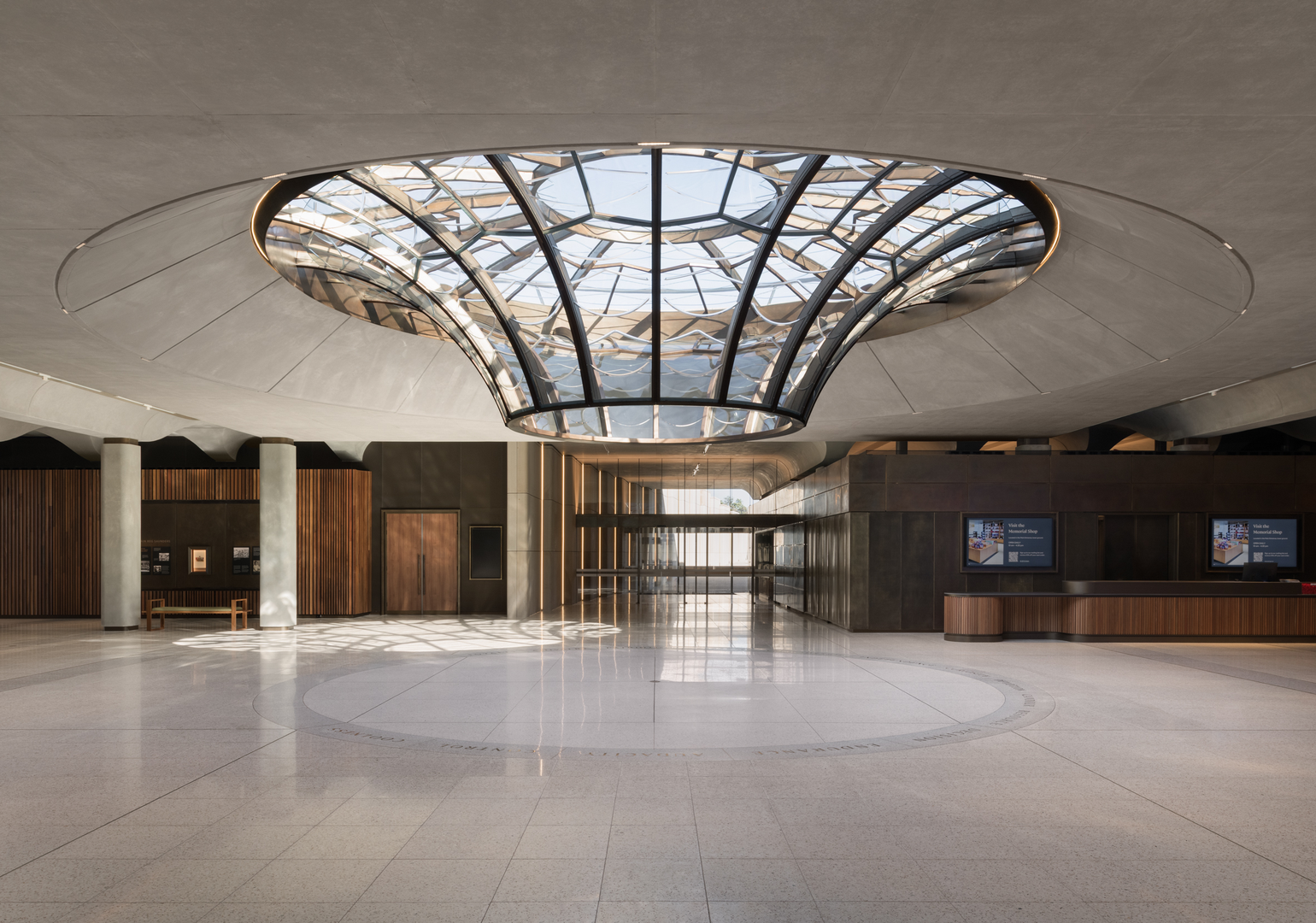
Regular in-person meetings and digital collaboration platforms helped manage the integration of responsibilities across the various parts of the project. But McDougall believes these traditional methods were secondary to something more fundamental.
“It came down to a generous, collaborative approach,” he said. “Because we all knew the significance of what we were doing, everybody was proactive and generous in their approach.”
That came from the top, from the client and through the contractors and consultants. When challenges emerged, McDougall said, the emphasis was on bringing the right people together to solve them, rather than “shame and blame”.
“Of course, we had robust conversations,” he said. “There were challenges throughout the project all the time, at every stage.”
“What distinguished the project was the maturity of those conversations and the strength of the relationships supporting them.”
Digging for meaning
The value of the collaborative culture became clear during construction of the new southern entrance to the heritage building.
That part of the project required excavation to one-and-a-half levels below the existing forecourt. It involved temporarily supporting, then permanently re-supporting, two of the memorial’s stone-clad towers, as well as other sections of the existing structure.
The engineering solution involved underpinning, jacking, temporary works and permanent structural supports. This allowed the team to safely excavate beneath parts of the heritage building without causing damage.
In doing so, the project team created a dramatic, lower-level entrance through which visitors now access the main hall.
“When we came across any unexpected conditions, the collaborative culture meant we could quickly get all the right people in the room and make decisions on the fly,” McDougall said. “The successful outcome showed the value of combining engineering expertise with relationships strong enough to support rapid decision-making.”
Engineering purpose
Bringing further meaning and purpose to the build was the fact that curators and exhibition specialists worked alongside, and sometimes with, the delivery team. Along the way the curators were able to tell the stories of Australia’s military service, including recent conflicts and peacekeeping operations.
Engineers were deeply involved in enabling parts of the exhibition, including designing mounts for major pieces, such as a Black Hawk helicopter.
Rather than simply working to a brief, McDougall said, the project team was deeply aware of the significance of what they were doing and who they were doing it for. As a result, the emphasis was never just on displaying impressive objects.
“In the past, the object was the hero piece,” he said. “But now it is about the people, through the telling of the stories of those who served. That process really changed the focus.”
How we measure success
Since the completion of the project, which received the Canberra Project of the Year in the 2026 Engineers Australia Excellence Awards, McDougall has returned regularly to the AWM, often bringing family, friends and colleagues.
He particularly enjoys watching visitors and observing reactions of veterans and their families.
“You can see the personal impact. It offers a new dimension of professional satisfaction.”
McDougall believes the project’s lasting lesson is the value of connecting every project team member and stakeholder to the broader purpose of their work.
“It wasn’t about pouring concrete and finishing by a certain date. It always had a context tied to the project and the outcome.”
Celebrate the outstanding projects driving the construction pipeline with the Engineers Australia Excellence Awards. Gala Dinner registrations are now open.