
By Lachlan Haycock
The opening of a new bridge or skyscraper is always big news. A tunnel boring machine breaking through is cause for celebration, and even sod-turning ceremonies get their 30 seconds on TV, plus coverage on social platforms.
But spare a thought for the unseen agent discreetly ensuring these high-profile infrastructure assets have their time in the sun for years to come – namely, the act of maintenance. It’s a seemingly neverending enterprise that is critical to the long-term resilience of Australia’s built environment, not to mention core systems of water, energy and transport.
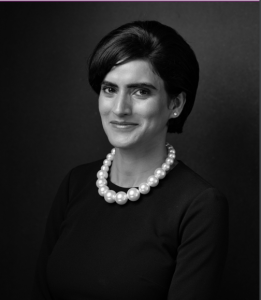
“Take maintenance in the field of subsea engineering, where there’s no room for error,” said Dr Hema Wadhwa, Associate Data and Analytics (Asset Management and Performance) at Aurecon. “Once a piece of equipment or asset is placed on the seabed, it’s down there for good. You can’t always send someone down to quickly fix it or apply a new coat of paint. So, by design, engineers must have a lot more options to fall back on when it comes to maintaining the asset.”
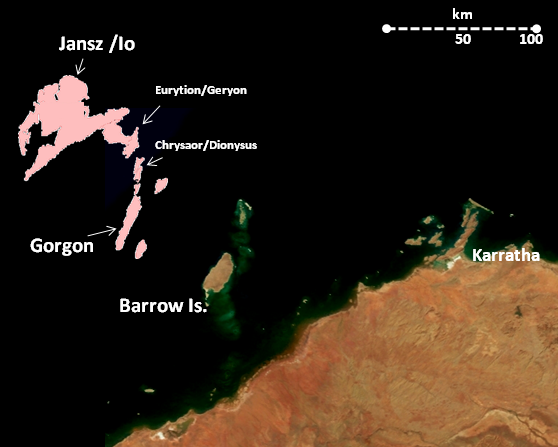
As an example, Wadhwa described the Jansz-Io gas fields off the coast of Western Australia, where engineers have installed various sensors to monitor if the asset is operating within the design parameters, and avoid catastrophic failures. The sensors themselves have backups, so the critical information is not lost if the sensors fail.
“These are learnings we can take to other industries,” she said. “We ought to more often design systems the way we do in subsea engineering, where you don’t have any other option – and where the decisions made are actually the most efficient way of doing things.”
For Charlie Jewkes, Managing Director – Water, Power & Energy at WSP Australia, the scale of the maintenance challenge in a country such as Australia is such that many engineers may struggle to articulate the value of investment.
“We need to be able to talk about water security, population growth and all of these things in a way that enables the people who make the decisions – the politicians, typically – to realise it’s a worthier investment to put money into upgrading a desalination plant as opposed to a new sports stadium, for example,” Jewkes said. “From a political investment perspective, maintenance always comes very low down in the priority list against something new that might be worth headlines and a few votes.
“That represents a challenge for engineers in every infrastructure sector, including water. Maintenance is very unsexy stuff in the public realm, which can make things difficult.”
Ad hoc to high-tech
To address the maintenance challenge, innovative approaches are being implemented across Australia’s solar and wind farms, and grid-scale battery installations, changing up maintenance requirements and practices. Jewkes sees it as a two-pronged topic.

“On the one hand, Australia has some very old and well-established infrastructure,” he said. “In the water industry, we have pipes, reservoirs and pump stations that are 100 or more years old in some areas. And, unfortunately, we often still take a very traditional approach to maintenance when addressing leaking pipes, cracks on the face of dams or rusting pump stations.”
This traditional approach is typified by ad hoc inspections, manual labour and repair done only when something is breaking or deteriorating.
On the other hand, Australia also has new wind, solar and battery systems technology coming online, “developing somewhere between quite quickly to incredibly quickly”.
“There’s quite an industry emerging in the maintenance of wind turbine blades. This involves repairing little divots, reforming the ageing blades – effectively sharpening them, if you want to use that analogy – to improve their aerodynamics. There’s all sorts of specialist products and services coming online.”
One of the oldest wind farms in the country, at Canunda in South Australia, was commissioned in 2005 and was expected to be operational for around 20 years, Jewkes said. It has now passed that milestone owing to effective maintenance over its lifetime by owner Engie.
“Engie and Vestas, the turbine manufacturer, have recently reassessed the serviceability of Canunda, and have revised its decommissioning horizon to 2035. That’s an additional 10 years of high-value energy generation. So, the original investment case is probably looking at least 50 per cent better, as it is still operating well within its serviceability parameters. It makes much more sense to keep an asset operational for longer through smart maintenance practices, than to put valuable capital into a replacement.”
Read more: The five largest offshore wind farms in the world
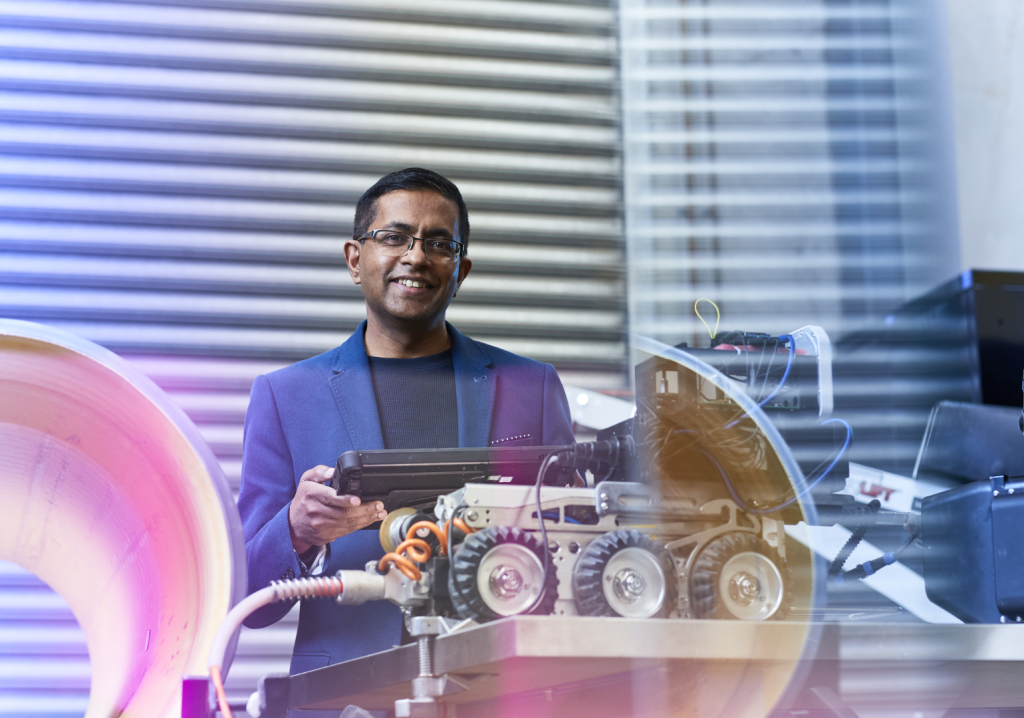
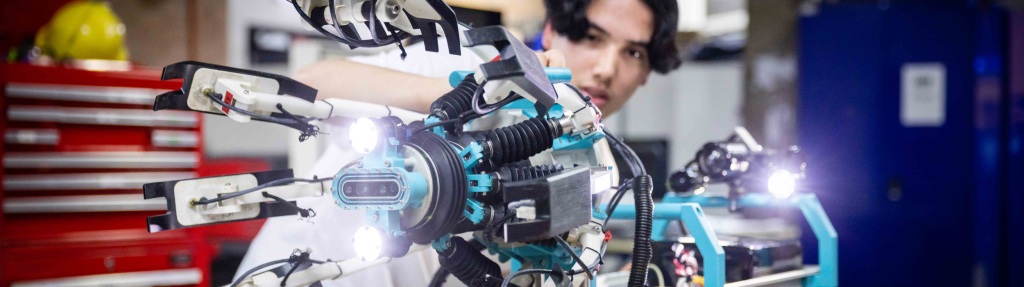
“We’ve been working with Sydney Water for many years to develop systems where the robot device can be deployed for water and wastewater infrastructure maintenance and regular inspections.
“Once it enters the sewer, we activate what we call ‘floaters’ to give the robot better stability. It’s connected to three-dimensional visualisation magnetic-based sensors, and a ground-penetrating radar-based system, which we mount on a robotic arm. The ground-penetrating radar with magnetic sensors is used to measure the thickness of the concrete left in a pipe, so it can tell whether it should be replaced or renovated.
“We’ve deployed this in several locations around Sydney, including Toongabbie in the west and near the airport south of the CBD.”
The benefit of early detection of faults, for Kodagoda, speaks to the principles of proactive rather than reactive maintenance.
“Identifying faults sooner can save millions of dollars,” he said. “If you wait until a sewer collapses, it’s going to have a large impact on the environment, society and economics. The trouble is, it’s very hard to tell where the next collapse is going to happen.”
Read more: Why remote technologies are gaining ground below the surface
Critical assets
Taking a more principled approach to engineering the built environment is increasingly viable given the proliferation of digital analysis tools, said Sandra Burke MIEAust, RPEQ Business Group Leader – Asset Management Australia at GHD. Her time in asset management has led to a realisation of systems-based thinking.
“Implementing good asset management practices is about looking at your asset criticality,” Burke told create. “It’s not just about evaluating your assets, but also identifying which are your critical assets, and what are the key points of failure and potential risk, whether it be from flooding, cybersecurity or something else.

“Say you’re a government agency providing statewide services, and the state’s population is set to boom. You need to consider the shifting demographic centres, the risk of bushfires and floods, the amenity of services and how they are going to be provided. So it’s critical to do that infrastructure planning and remain cognisant of asset criticality and resilience – and also phase those assets in a time that is when they’re needed.”
Burke also described working for a client in remote Australia that provides residential housing for its staff, which proved “a brilliant exercise on a small scale to know that we could have some real impact and benefit to a small community”.
“They wanted a good grasp on their asset base and how they might secure maintenance contracts to service their assets. Our task was to build staff capability, and help them understand their assets, both at an asset and a component level, so they could develop longer-term procurement contracts for essential trades.
“Rather than call a tradesperson to the site every time there was a failure, they could benefit from a more planned approach, and issue a maintenance contract for the program work – which would see cost efficiencies come back to them.”
Automating rail jobs make them safer, cheaper and more productive
Words by David Philpot, Co-Founder and Chief Technology Officer of FMT
“Conducting rail maintenance inspections around high voltage, at heights, near moving trains and under carriages puts people at significant risk. In today’s world, we can minimise exposure to such hazards by integrating robotics into the maintenance of railways, rollingstock and associated infrastructure.
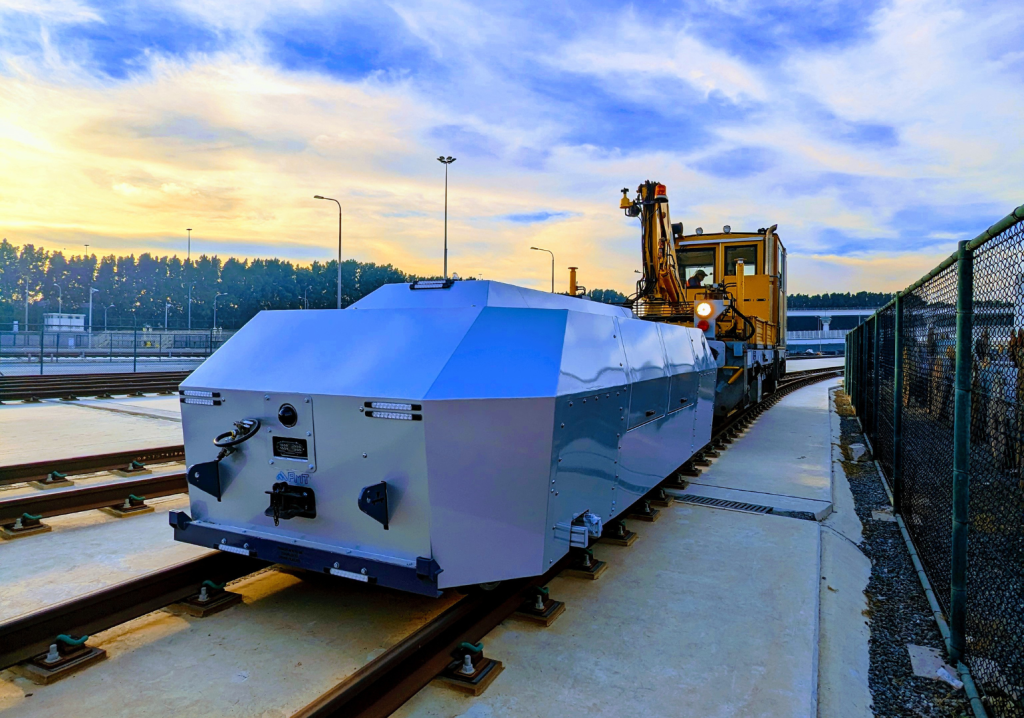
“We have developed three automated robotic solutions specifically for rail: ARIIS (Autonomous Rail Infrastructure Inspection System), TRES (Train Examination System) and RFD (Rail Facility Drones).
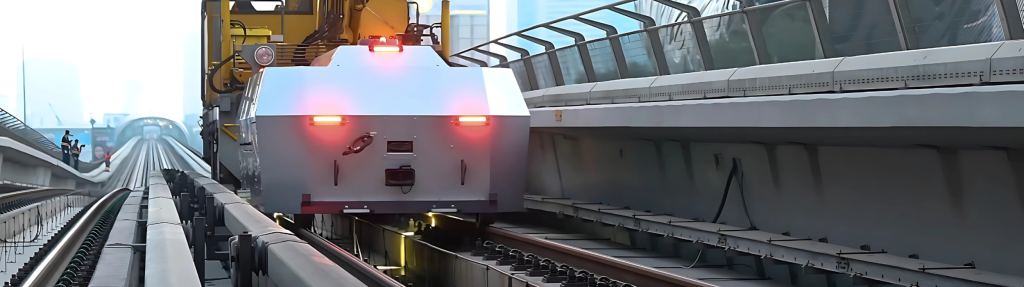
“ARIIS moves along the tracks to measure things such as track gauge, rail and sleeper condition. It operates autonomously and allows us to identify the areas of a rail network that require further attention. In Dubai, we’ve seen ARIIS reduce the total inspection time for about 100 km of track from more than 2400 human hours to just 700 – a 70 per cent reduction.
“TRES moves around trains to conduct detailed inspections. It takes RGB images and very dense point clouds with precision down to 0.1 mm. We can then compile maintenance reports identifying what needs to be repaired.
“RFD is an autonomous drone-dock system designed for critical infrastructure assets and facility inspections. It can access hard-to-reach areas without placing people in hazardous work environments.