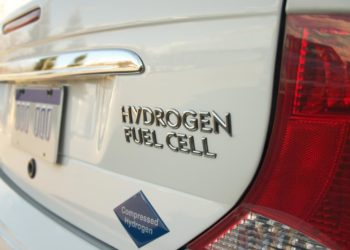
New sensor could make hydrogen-powered cars safer
Hydrogen fuel cell vehicles are a promising low-emissions technology, but detecting gas leaks can be challenging. A new sensor could...


Hydrogen fuel cell vehicles are a promising low-emissions technology, but detecting gas leaks can be challenging. A new sensor could...
The 2019 Federal Budget includes $19.5 million to support space projects over the next three years in a bid to...
Australia’s universities are ranked third in the world for their performance against the United Nations Sustainable Development Goals, according to...
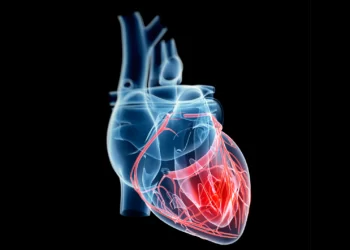
Researchers have been trying to develop an ideal biomaterial to patch the heart for more than a decade. Recent studies...
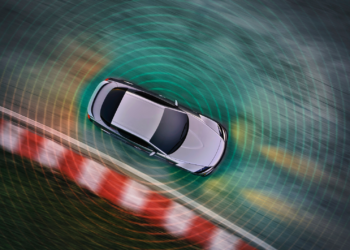
Australia leads the world in regulatory support for autonomous vehicles, but has to catch up to other countries’ overall readiness...
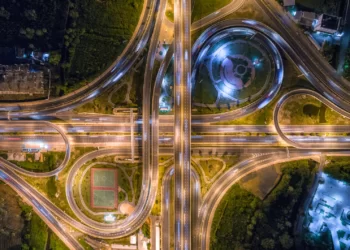
From robotics and autonomous systems to distributed sensing networks, 3D mapping, AI, computer vision and cybernetics, there's a lot happening...
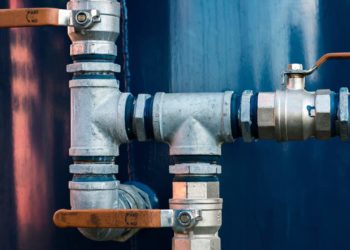
Two engineering graduates have designed an artificial intelligence (AI) solution to find cracks and leaks in pipes more quickly and...
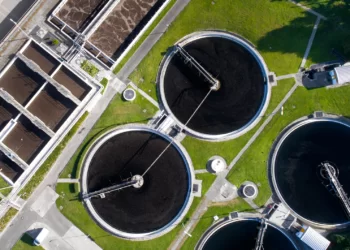
Water recycling and the water-energy nexus are two major challenges for Australia's water engineers. But they also provide opportunities to...
US researchers have developed a prototype system that uses solar power to convert water from the ocean into hydrogen and...
The humble jellyfish has inspired yet another material advancement: a waterproof, self-healing skin.