
CREATE
  • Technology
    • BIOTECH
    • COMMUNICATIONS
    • COMPUTING
    • IMAGING
    • MATERIALS
    • ROBOTICS
    • SOFTWARE
  • Industry
    • DEFENCE
    • INFRASTRUCTURE
    • INNOVATION
    • MANUFACTURING
    • POLICY
    • PROJECTS
    • TRANSPORT
  • Sustainability
    • ENERGY
    • ENVIRONMENT
    • RESOURCES
  • Community
    • CULTURE
    • PEOPLE
  • Career
    • EDUCATION
    • INSPIRATION
    • LEADERSHIP
    • TRENDS
  • About
    • CONTACT
    • SUBSCRIBE
No Result
View All Result
CREATE
No Result
View All Result
Home Sponsored

Beyond the marks: what employers really want from graduate engineers

create by create
3 September 2026
in Sponsored
Reading Time: 4 mins read
0
Beyond the marks: what employers really want from graduate engineers

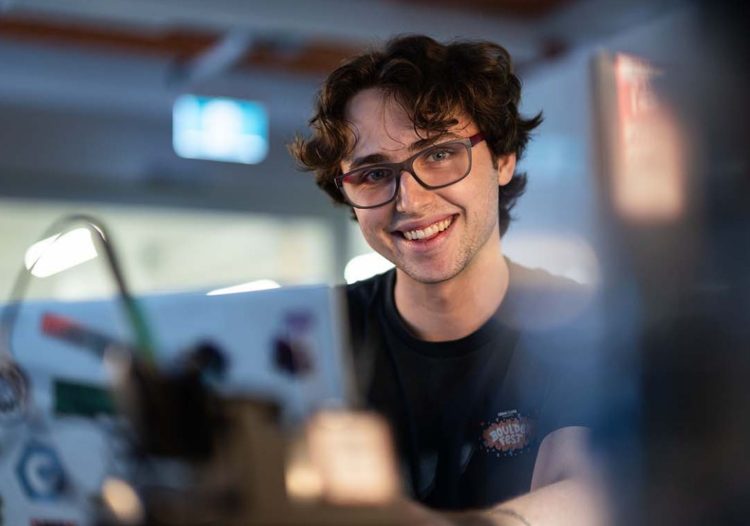
FoE Engineering 2025 Daniel Bretherton

SPONSORED

Strong marks open the door, but employers across energy, defence and construction say curiosity, adaptability and people skills are what set successful graduate engineers apart.

Engineering graduates continue to enjoy some of Australia’s strongest employment outcomes. But ask the employers who recruit them what separates a good graduate from a great one, and the answer is rarely a transcript.

The QUT Faculty of Engineering has experienced significant growth, with student numbers increasing by more than 55% over the past five years across all engineering disciplines. 

As more students prepare to enter a rapidly evolving profession, the QUT Faculty of Engineering wanted to understand what capabilities employers value most. So, they put that question to industry leaders across the energy, defence and construction sectors, organisations shaping the future workforce through substantial investment in graduate engineers.

The common theme in responses was curiosity, adaptability, resilience and the ability to work well with people. Technical grounding matters, but on its own, it is only the entry ticket.

“When hiring graduates, we look beyond technical capability alone,” said Lorrae Carr, Careers Manager at Energy Queensland. “We seek people who are genuinely curious, eager to learn, and motivated by the opportunity to contribute to something that has a real impact on communities.”
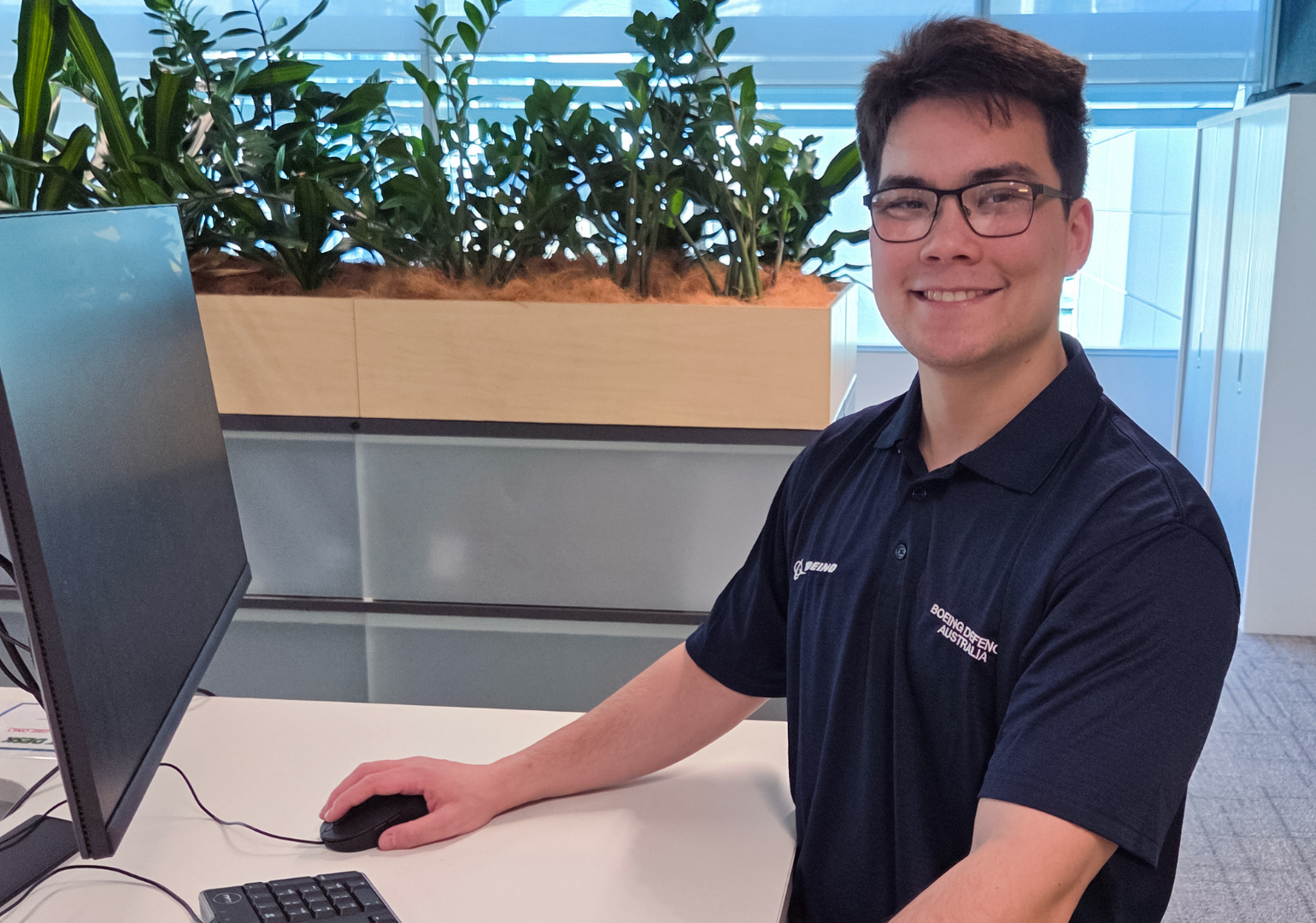
Josh Lai, Boeing Defence Australia software testing engineer

For Carr, the graduates who thrive share a mindset. “They don’t feel they need all the answers on day one. They ask good questions, seek feedback and learn from those around them,” she said. 

That view is echoed at Powerlink, where graduate engineers form part of a long-term workforce strategy for a transmission network in the middle of a generational transition. “As Queensland’s energy system continues to evolve, we need a strong pipeline of engineers who will develop into the technical specialists, project leaders and industry experts of the future,” said Powerlink Talent Manager Justin Howe.

“In engineering practice, success is rarely about having all the answers; it’s about asking good questions, working effectively with others and being open to feedback,” he said. Increasingly, he noted, technical expertise has to be paired with commercial awareness, relationship building and sound judgement. The graduates who take ownership of their own development early make the smoothest transition.

Trusted from the start

A recurring theme among employers is that graduates are given meaningful work quickly. At Energy Queensland, one recent graduate engineer contributed to technical assessments supporting customer connections to the electricity network, analysing data, identifying opportunities for improvement and presenting findings to experienced engineers and stakeholders. At Powerlink, graduates support network planning, design engineering, operations and project delivery, bringing fresh perspectives and a willingness to challenge established ways of working.

Every employer highlighted the value of experience gained outside the lecture theatre. Internships, vacation programs, industry projects, part-time work, volunteering and university teams all came up repeatedly as the experiences that best prepare graduates for professional practice, helping build the communication, teamwork and problem-solving skills a transcript can’t capture.

Minuka Mendis Grad 2025

Applying theory under pressure

At Boeing Defence Australia, that preparation is tested quickly. “Boeing recruits graduate engineers to inject fresh technical insights, creative problem-solving, and a sustainable pipeline of long-term talent into our complex aerospace and defence programs,” said Matt Buckle, Director, Joint Systems. 

With safety the company’s absolute priority, Buckle said the strongest graduates are those who can apply academic theory to safety-critical, real-world challenges while holding to a strict commitment to quality and compliance.

Success is rarely about having all the answers; it's about asking good questions, working effectively with others and being open to feedback.
Justin Howe, Powerlink

Josh, a 2024 QUT mechatronics graduate, is a case in point. Joining Boeing as a software testing engineer supporting battlespace communication systems for naval customers, he planned and prioritised a test program ahead of a major customer demonstration, anticipating likely faults, targeting high-risk issues first and drawing on his Linux expertise to keep the project on schedule.

“Uni taught me the technical side and the core importance of collaboration, but Boeing showed me how to apply those skills in a focused, high-pressure environment,” Josh said. The culture, he added, taught him never to be afraid to ask for help, “or to find the person with the most relevant experience”.

The people side of engineering

At construction contractor BMD, Talent Acquisition Lead Liz Skewes looks for the same blend of technical capability and interpersonal skill, and for evidence that a candidate has sought out practical experience. 

“The graduates who stand out are those who demonstrate genuine enthusiasm for the industry, align with our values and see BMD as a place where they can build a long-term career,” she said.

Chris, a QUT graduate based in Canberra, credits BMD’s Foundations Graduate Program with teaching him to “say yes to every opportunity and give everything a go”. Stepping beyond his immediate role built the confidence and relationships that accelerated his development. 

“While university provided a strong technical foundation, it was the combination of practical experience, relationship building, teamwork and a genuine willingness to learn that helped him successfully transition into professional practice,” Skewes said.

Where employers come in

Employers are not hiring for what graduates know; they are hiring for how graduates learn, collaborate and grow. And the graduates best equipped to hit the ground running are those who have already had a taste of industry before they finish their degrees.

That is where the relationship between employers and universities becomes decisive, and where QUT plays its part. As the bridge between employers like these and the students and graduates ready to step into industry, QUT Faculty of Engineering helps organisations get an early look at emerging talent through work placements, internships and mentoring.

Contact QUT Faculty of Engineering to connect to undergraduate and postgraduate engineering students.

Previous Post

New engineering competency standard set to meet industry demands

Next Post

Don’t assume compliance: Why engineers must look beyond the product data sheet

create

create

create tells the stories behind the latest trends, innovations and people shaping the engineering profession. Through our magazine, website, enewsletters and social media, we spread the word about all the ways engineers help create the world around us.

Related Posts

Beyond renewables: the engineering challenge of rebuilding Australia’s grid
Sponsored

Beyond renewables: the engineering challenge of rebuilding Australia’s grid

19 November 2026
How this construction project significantly reduced its crane pad thickness
Sponsored

How this construction project significantly reduced its crane pad thickness

19 November 2026
Not all plastic tanks are created equal
Sponsored

Not all plastic tanks are created equal

12 November 2026
Next Post
Don’t assume compliance: Why engineers must look beyond the product data sheet

Don’t assume compliance: Why engineers must look beyond the product data sheet

Leave a Reply Cancel reply

Your email address will not be published. Required fields are marked *

create is brought to you by Engineers Australia, Australia's national body for engineers and the voice of more than 120,000 members. Backing today's problem-solvers so they can shape a better tomorrow.
  • ABOUT US
  • CONTACT US
  • SITEMAP
  • PRIVACY POLICY
  • TERMS
  • SUBSCRIBE

© 2024 Engineers Australia

No Result
View All Result
  • Technology
    • BIOTECH
    • COMMUNICATIONS
    • COMPUTING
    • IMAGING
    • MATERIALS
    • ROBOTICS
    • SOFTWARE
  • Industry
    • DEFENCE
    • INFRASTRUCTURE
    • INNOVATION
    • MANUFACTURING
    • POLICY
    • PROJECTS
    • TRANSPORT
  • Sustainability
    • ENERGY
    • ENVIRONMENT
    • RESOURCES
  • Community
    • CULTURE
    • PEOPLE
  • Career
    • EDUCATION
    • INSPIRATION
    • LEADERSHIP
    • TRENDS
  • About
    • CONTACT
    • SUBSCRIBE