
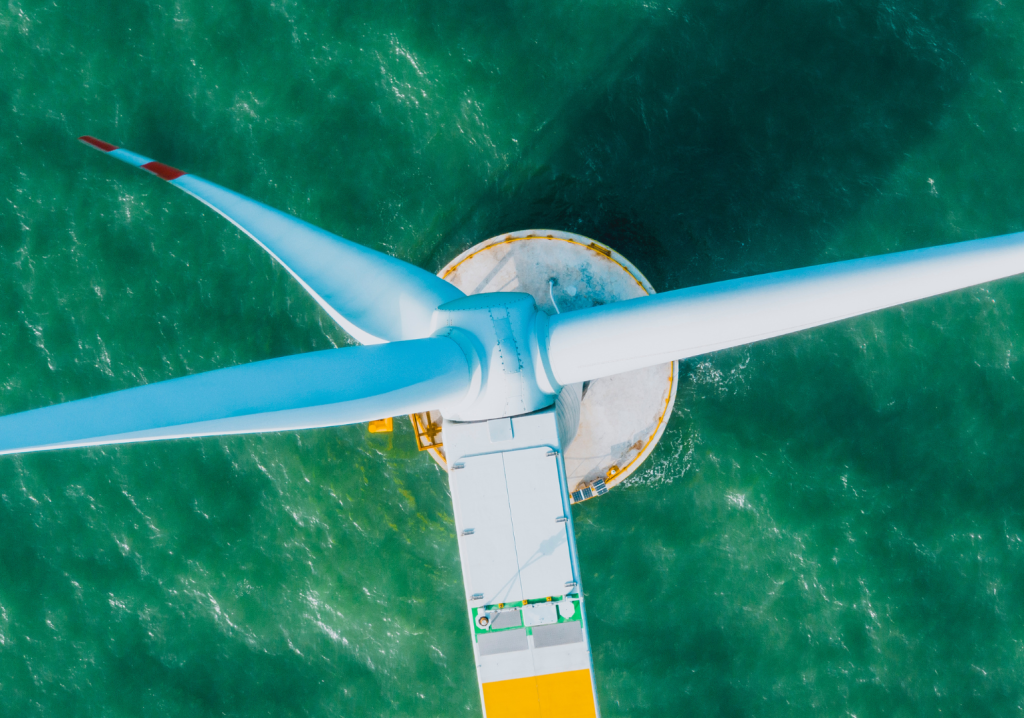
Dozens of countries, many in Europe, boast at least one offshore wind farm, but Australia is yet to join them.
The world’s first offshore wind farm was commissioned in 1991, off the coast of Denmark.
Named Vindeby, the facility consisted of just 11 turbines producing a nameplate capacity of around 5 MW. With a rotor diameter of 35 m, the turbines of Vindeby would be dwarfed by modern turbines.
Australia’s most advanced offshore wind project, Star of the South, with a projected top capacity of 2.2 GW, was awarded a Commonwealth Exploration Licence in 2019 and achieved major project status in 2023.
Just last month, an engagement agreement was signed with Gunaikurnai Land and Waters Aboriginal Corporation, ensuring the Gunaikurnai people remain involved in discussions throughout the course of the project.
So how will Star of the South match up to the biggest global examples?
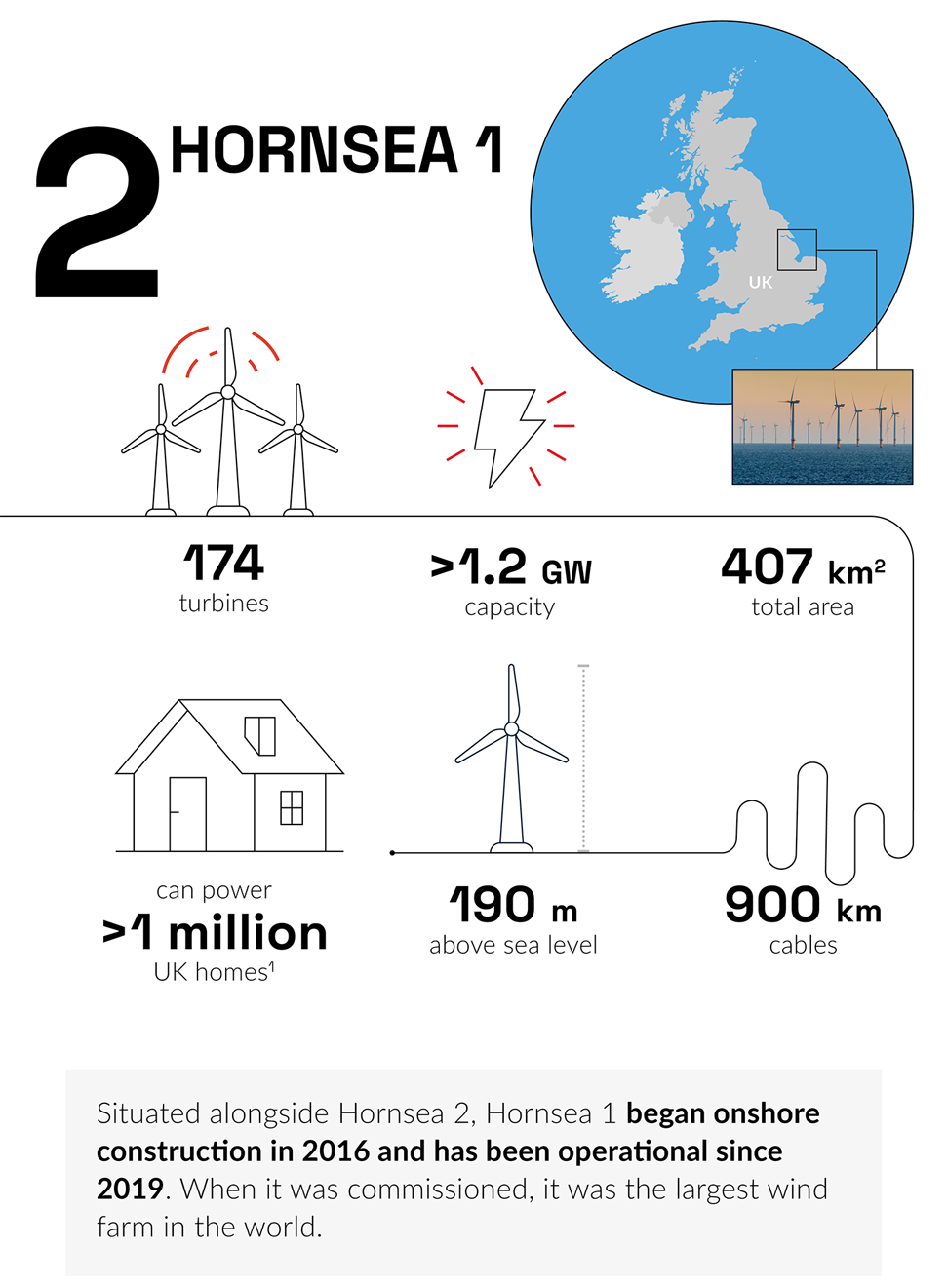
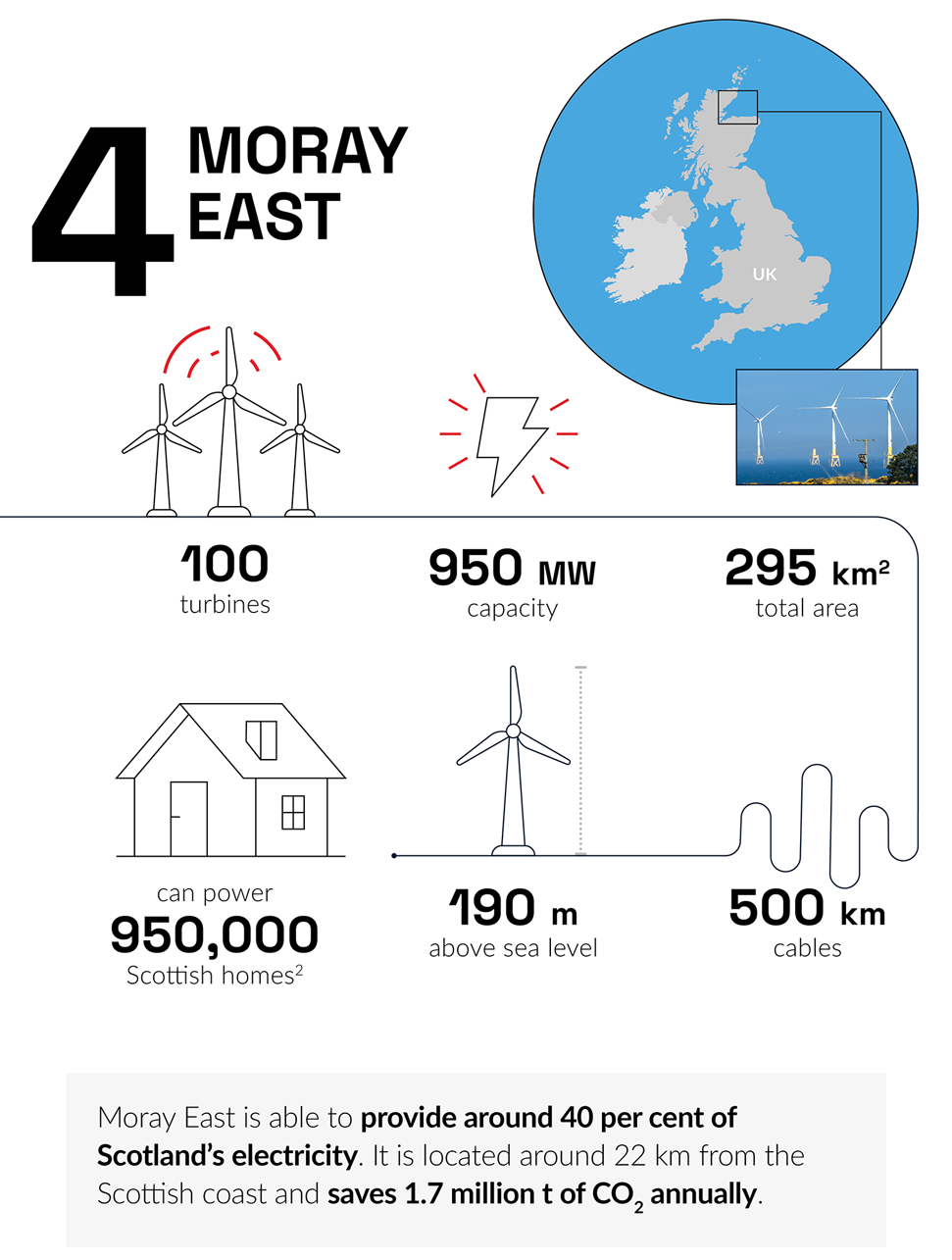
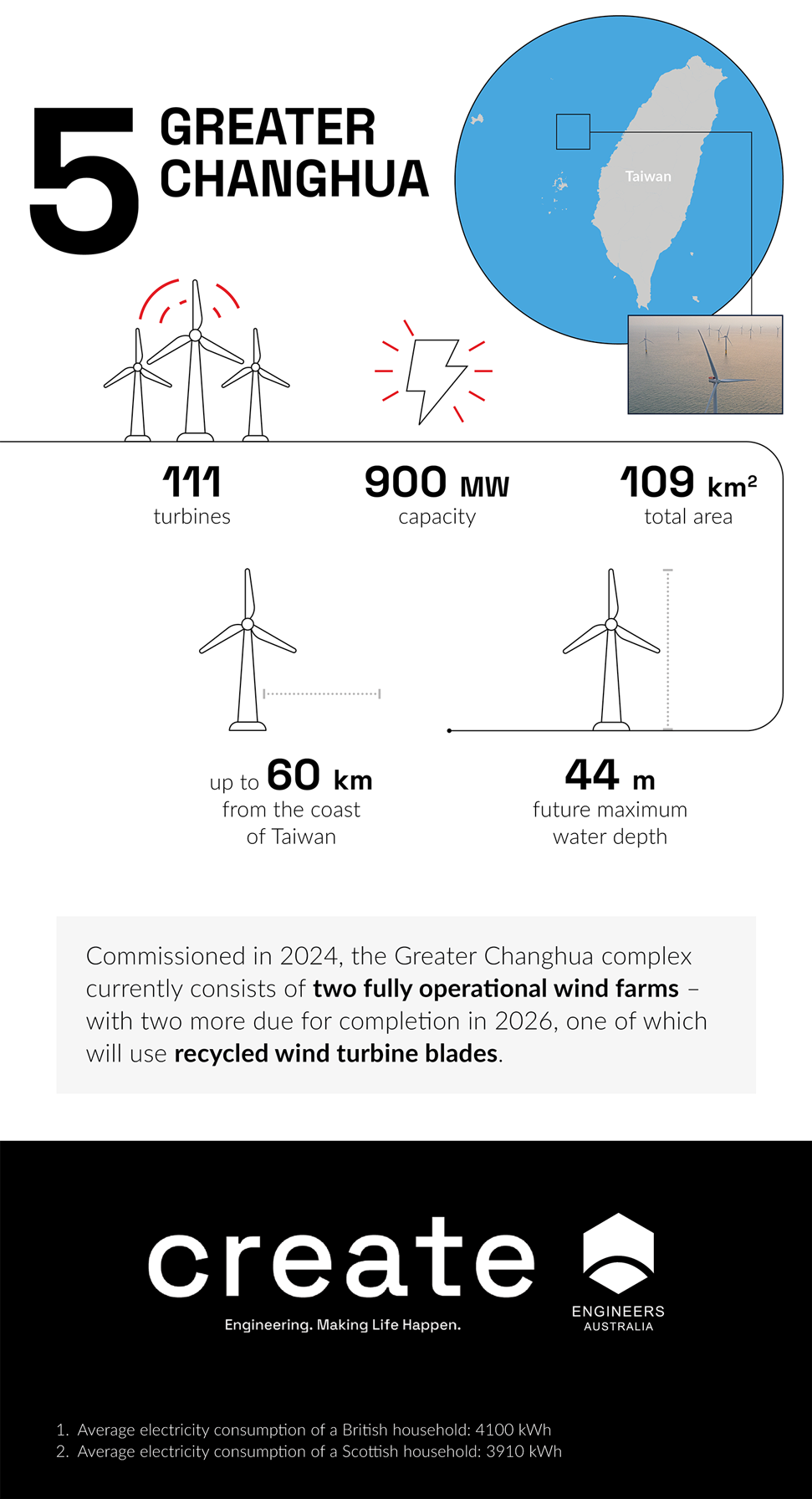
The infographic below outlines the five largest offshore wind farms by capacity, as of the time of writing – keeping in mind that new installations are making the list as each year passes.





What does it take to develop and construct an offshore wind farm? In this EA OnDemand webinar, an Australian engineer describes the challenges he experienced managing the supply chain, ports, grid connections and more.