CREATE
  • Technology
    • BIOTECH
    • COMMUNICATIONS
    • COMPUTING
    • IMAGING
    • MATERIALS
    • ROBOTICS
    • SOFTWARE
  • Industry
    • DEFENCE
    • INFRASTRUCTURE
    • INNOVATION
    • MANUFACTURING
    • POLICY
    • PROJECTS
    • TRANSPORT
  • Sustainability
    • ENERGY
    • ENVIRONMENT
    • RESOURCES
  • Community
    • CULTURE
    • PEOPLE
  • Career
    • EDUCATION
    • INSPIRATION
    • LEADERSHIP
    • TRENDS
  • About
    • CONTACT
    • SUBSCRIBE
No Result
View All Result
CREATE
  • Technology
    • BIOTECH
    • COMMUNICATIONS
    • COMPUTING
    • IMAGING
    • MATERIALS
    • ROBOTICS
    • SOFTWARE
  • Industry
    • DEFENCE
    • INFRASTRUCTURE
    • INNOVATION
    • MANUFACTURING
    • POLICY
    • PROJECTS
    • TRANSPORT
  • Sustainability
    • ENERGY
    • ENVIRONMENT
    • RESOURCES
  • Community
    • CULTURE
    • PEOPLE
  • Career
    • EDUCATION
    • INSPIRATION
    • LEADERSHIP
    • TRENDS
  • About
    • CONTACT
    • SUBSCRIBE
No Result
View All Result
CREATE
No Result
View All Result
Home Community

Finding a path out of cholera in South Sudan

create by create
8 April 2026
in Community
Reading Time: 4 mins read
0
Finding a path out of cholera in South Sudan

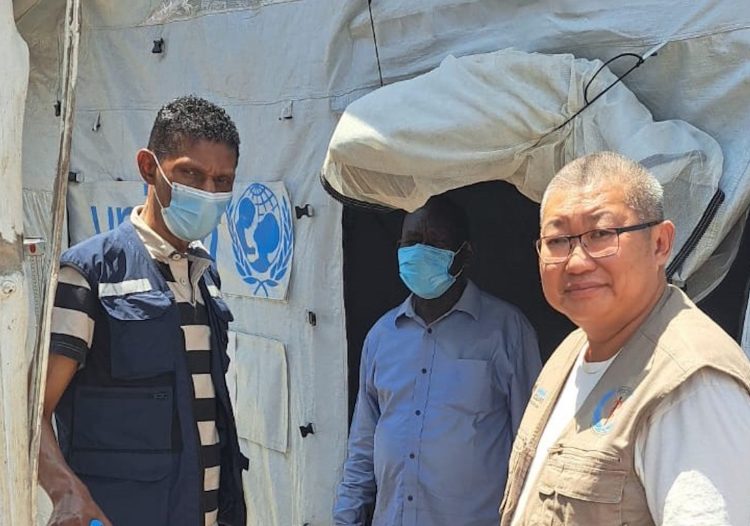
RedR Australia civil engineer, Tai-Ring Teh (right) supporting cholera treatment facilities in South Sudan. Supplied: RedR Australia

As South Sudan battled a major cholera outbreak, civil engineer and Water, Sanitation and Hygiene (WASH) specialist Tai-Ring Teh was on the ground in Juba; working with the World Health Organisation (WHO) to trace the outbreak’s origins and bolster local recovery efforts.

As is often the case in humanitarian deployments, RedR Australia roster member Tai-Ring Teh needed to multi-task by supporting efforts to locate the source of the cholera outbreak and strengthen health facilities, in a state juggling complex and compounding challenges.  

A health emergency in the world’s youngest country 

South Sudan is the world’s youngest country and also its poorest. With its GDP a mere US$455 per capita, South Sudan faces many challenges and relies heavily on international aid.

“The outbreak of cholera started in November last year and I was deployed to South Sudan in February. After I arrived, I was immediately on the ground supporting the response,” Tai-Ring said. 
 
Tai-Ring’s work primarily supported healthcare facilities. “I worked to prevent cholera from spreading and control the disease. My job was supporting WASH in community, but also strengthening healthcare facilities,” he said. 

Finding the source of the infections 
Tai-Ring also focused on finding the cause of the outbreak.
 
“One of the main parts of my work was to locate the source of the cholera outbreak. Where was the cholera originally from? That meant looking for case zero of the outbreak,” he said.  
 
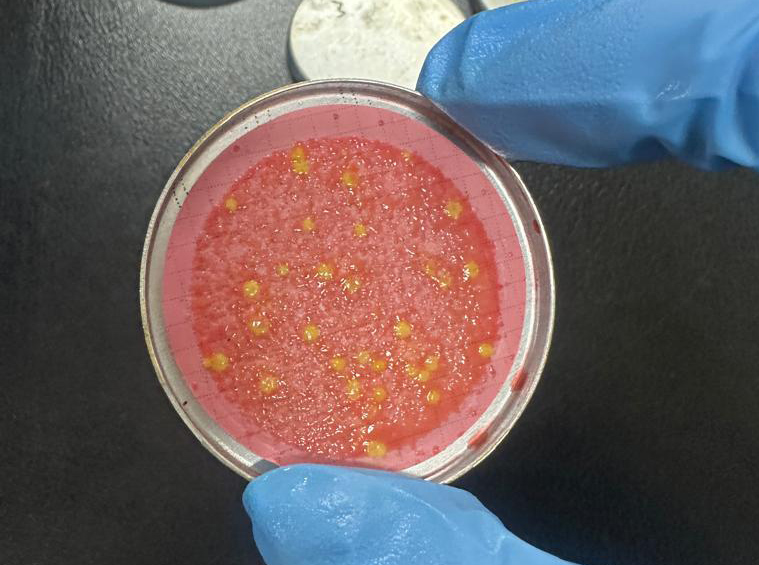
“So I tested the water for bacteria; testing if E coli was present in the drinking water. That’s a lot of water testing and bacteria growing.” 
 
In Juba, which was in a full-blown cholera outbreak, he and the team were testing the water in many locations, including the WHO office and the WHO guest house.  
 
“We found contamination of E coli everywhere, which meant it was the water tanker that was supplying the water to the whole town that was contaminated,” said Tai-Ring.
An example of a water test conducted by Tai-Ring Teh. The yellow indicates E coli bacteria and the red indicates other bacteria. Supplied: RedR Australia

Tai-Ring and his colleagues at the WHO used their research to advocate to government to address the water source, including chlorinating the drinking water.   

“That’s a big impact of my work,” he said. 

Working with communities to stop the cholera from spreading 

Tai-Ring and his colleagues worked closely with the community and the health facilities, explaining that the water was causing the cholera and suggesting they needed to chlorinate or boil the water.  

“The bulk of my work was to, number one, find the source. And number two was to treat the source and stop the disease from spreading,” said Tai-Ring. 

“There’s a significant improvement from where we started. It is now under control in Juba.” 

However, there were challenges too. 

“It’s not as straightforward as saying, ‘this is what we found and we need to do this’. It’s not that simple because education levels are very low,” he said. 

Training, training, training 

Tai-Ring is also a highly regarded RedR Australia trainer which was particularly useful as a huge part of this deployment included upskilling existing staff. 

“There’s been a lot of capacity building. Hardly a week went by without me conducting a specific training on WASH, or infection prevention and control in a healthcare facility. That’s a lot of training,” he said. 

Tai-Ring trained Ministry of Health and NGO staff on how to manage cholera treatment centres. This included healthcare waste, water management, toilet cleaning and personal protection equipment. 

Tai-Ring also helped to secure more funding for the response, including funding for more staff to work on the response. 
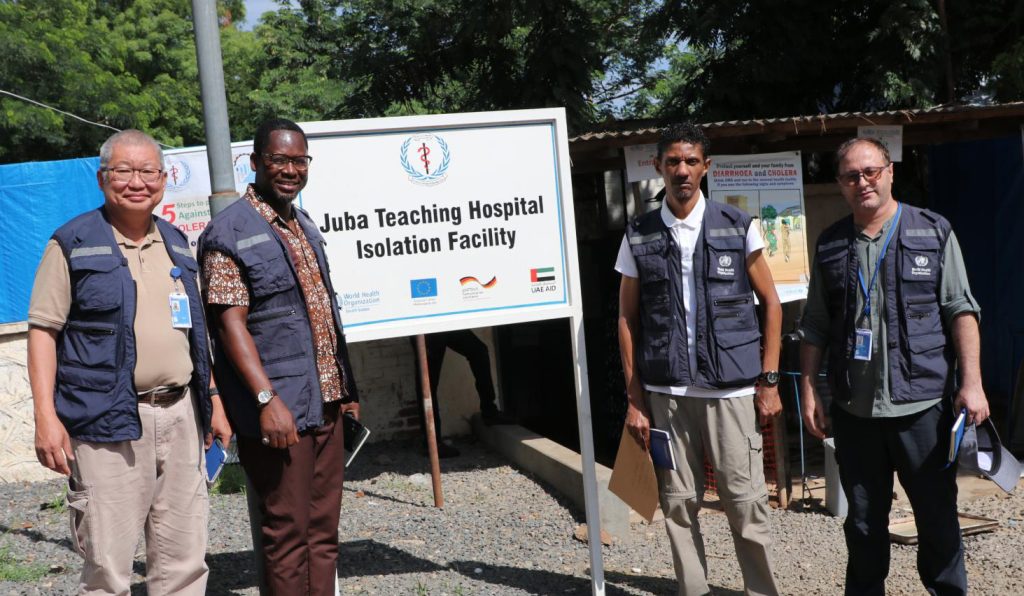
Tai-Ring with WHO colleagues, supporting training at Juba Teaching Hospital Isolation Facility. Supplied: RedR Australia

A depth of experience 

With decades working as a water engineer and humanitarian WASH expert, Tai Ring is able bring all of that knowledge and experience to every new crisis he deploys into. 

“Every emergency is unique, but they also have many similarities,” said Tai-Ring.  

“South Sudan is definitely one of my more challenging deployments. The capacity on the ground wasn’t there compared to many other places, like Bangladesh or Philippines or Indonesia. South Sudan was very challenging, and I had to use a lot of my knowledge.” 

However, with great challenges often come great rewards, and for Tai-Ring this rang true. 

“This deployment was very rewarding. It was tiring, but it’s very rewarding when you have people telling you that they really appreciate what you’re doing.” 

“Everybody wanted me to visit and help them out. And we definitely made an impact in terms of controlling the cholera outbreak. At the end of the deployment, the cases were going down.” 

A human touch

Reflecting on his career, Tai-Ring appreciates the human connections that bring value and meaning to his work. 

“It’s got a very good human touch, what I’m doing. That’s what keep me moving,” he said. 

“In Indonesia, Myanmar, Philippines, Bangladesh or Rwanda, my skills are extremely valuable for water supply – like how to repair a water treatment plant, and how to rebuild or create a new water system. “ 

“And when safe water is available back in the community, you can see the community relax and that normality means the recovery will be ongoing. That’s a really good outcome.” 

Learn more about RedR Australia or join the roster of technical specialists
Tags: water engineeringWASHRedR AustraliaSouth Sudancholera outbreakWHO
Previous Post

The battery integration puzzle

Next Post

It’s a breeze: making work on this challenging wind project look easy

create

create

create tells the stories behind the latest trends, innovations and people shaping the engineering profession. Through our magazine, website, enewsletters and social media, we spread the word about all the ways engineers help create the world around us.

Related Posts

Building Country: The Indigenous engineers shaping Australia’s future infrastructure
Features

Building Country: The Indigenous engineers shaping Australia’s future infrastructure

6 August 2026
How Australia’s Professional Engineer of the Year has built a career on calculated risks
Features

How Australia’s Professional Engineer of the Year has built a career on calculated risks

29 June 2026
Engineers recognised for “outstanding contributions to the nation”
People

Engineers recognised for “outstanding contributions to the nation”

11 June 2026
Next Post
It’s a breeze: making work on this challenging wind project look easy

It’s a breeze: making work on this challenging wind project look easy

Leave a Reply Cancel reply

Your email address will not be published. Required fields are marked *

create is brought to you by Engineers Australia, Australia's national body for engineers and the voice of more than 120,000 members. Backing today's problem-solvers so they can shape a better tomorrow.
  • ABOUT US
  • CONTACT US
  • SITEMAP
  • PRIVACY POLICY
  • TERMS
  • SUBSCRIBE

© 2024 Engineers Australia

No Result
View All Result
  • Technology
    • BIOTECH
    • COMMUNICATIONS
    • COMPUTING
    • IMAGING
    • MATERIALS
    • ROBOTICS
    • SOFTWARE
  • Industry
    • DEFENCE
    • INFRASTRUCTURE
    • INNOVATION
    • MANUFACTURING
    • POLICY
    • PROJECTS
    • TRANSPORT
  • Sustainability
    • ENERGY
    • ENVIRONMENT
    • RESOURCES
  • Community
    • CULTURE
    • PEOPLE
  • Career
    • EDUCATION
    • INSPIRATION
    • LEADERSHIP
    • TRENDS
  • About
    • CONTACT
    • SUBSCRIBE