
Strengthening resilience today is a prerequisite for achieving sustainable cities in the future, says one industry expert.
The term ‘sustainability’ is often used interchangeably with ‘environmentally friendly’. However, for cities, sustainability doesn’t just mean going green – it means staying agile, preparing for turbulence and adapting to changing times. Richard Palmer, director of sustainability at WSP, speaks with create before his appearance at the upcoming Australian Engineering Conference about why cities need to consider resilience before thinking about sustainability.
create: How do sustainability and resilience tie in with each other?
There’s a global discourse around resilience, which is led by the Stockholm Resilience Centre, an academic research organisation that looks at socio-ecological systems, global systemic impacts and areas where particular shocks could have a profound impact on some of those things that underpin our society in many ways.
But climate adaptation is now being framed very much as resilience. In an urban environment, in a changing climate, what do we do to manage the risks of major storm events or major heatwaves?
And then there’s another element of resilience that the Rockefeller Foundation and the 100 Resilient Cities program are touting, which is around social, political, economic and physical resilience. That’s the ability of cities to withstand shocks, whether that shock is a terrorist attack or a major storm event. Do we have the systems in place that allow people to bounce back quickly?
create: As an engineering company, what sort of things are you looking to do with the infrastructure you’re working on to withstand shocks?
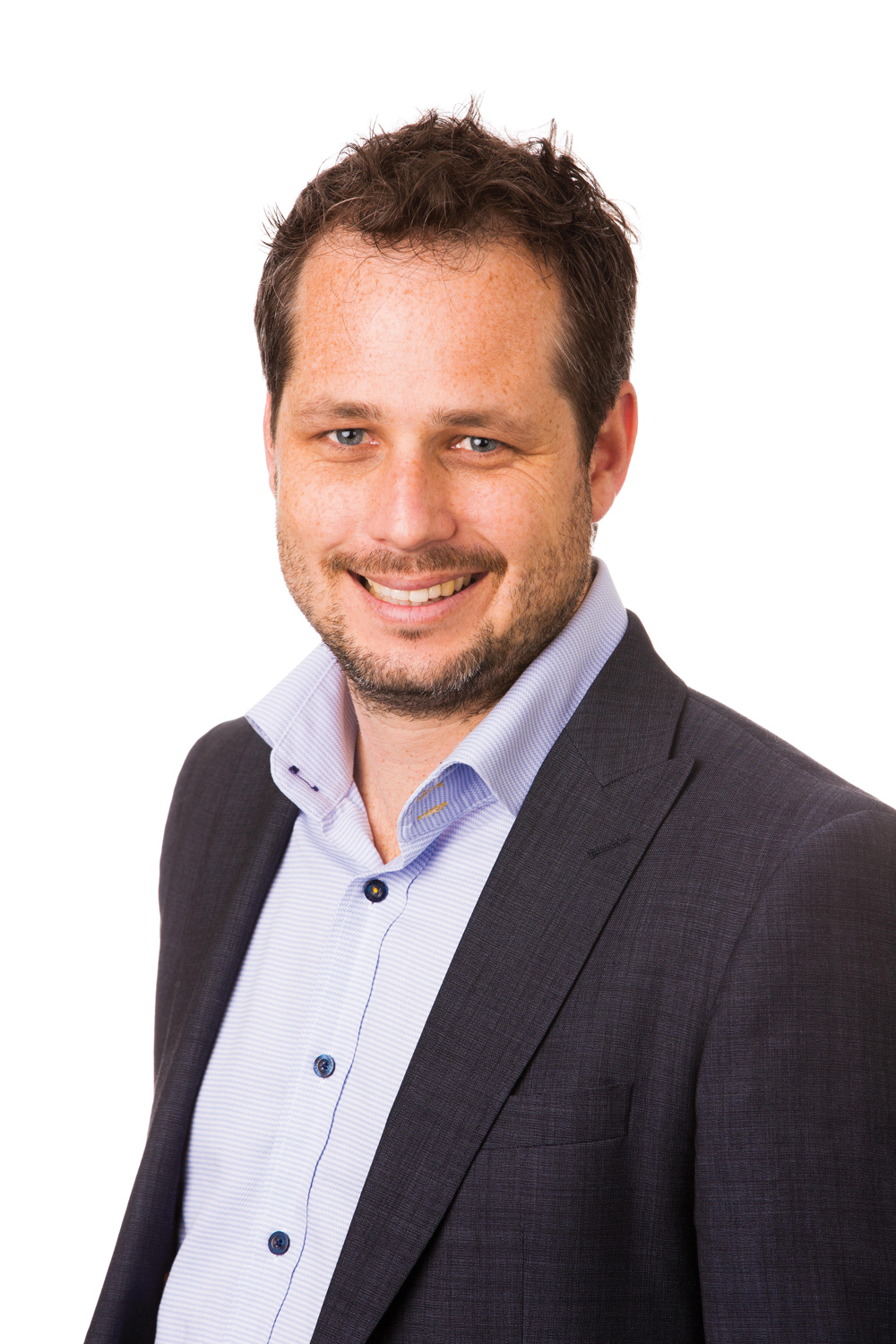
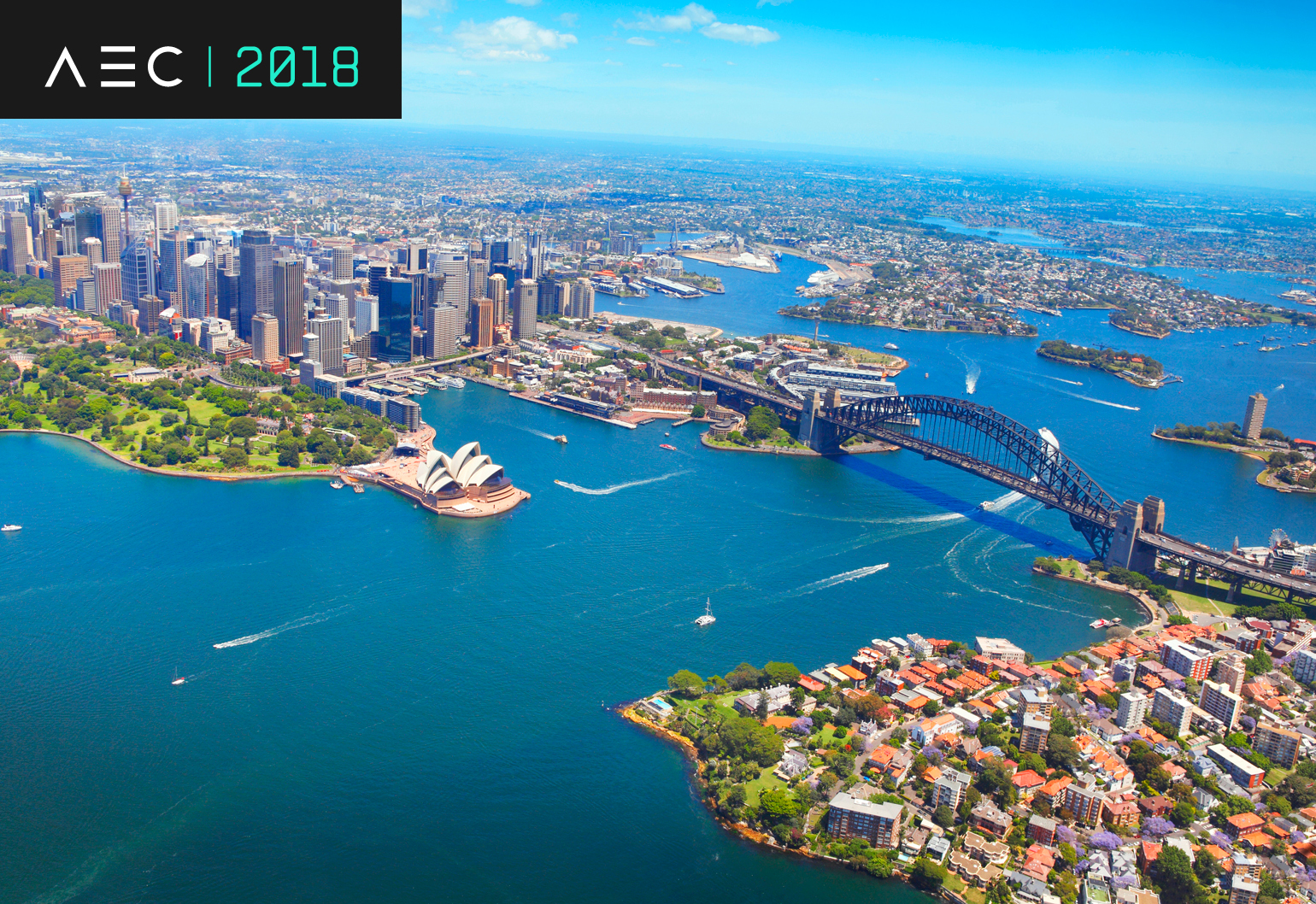
It’s about embedding the climate resilience aspect. Understanding future risks and designing for them is an obvious first step. Working on projects like Sydney Metro, for instance, it’s undertaking broad climate adaptation planning. Starting to understand what elevated peak storm events mean in design terms. What do elevated wind
events mean when considering a bridge? What are the heatwave events that might impact a major urban area of Western Sydney, for instance.
We are also looking broadly at how modal diversity can play a role in absorbing shocks. So across metropolitan Sydney, people’s access to multiple modes of transport is a concern. It puts a level of economic burden on those with multiple car ownership. In any kind of evacuation or emergency scenario, the lack of modal diversity has a material impact on a city’s ability to respond.
create: From a sustainability point of view, where is WSP strong?
An area we are certainly aspiring to be market-leading is around how we approach reconciliation with Indigenous Australians, how we build both a design-level relationship with traditional owners, as well as a procurement and operational relationship.
So we’re working at building relationships with Indigenous designers to reflect Australia’s first peoples in the projects we work on, physically creating places and developing projects that are an authentic realisation of where Aboriginal and Torres Strait Islander Australians see themselves in an urban context.
That’s tied in with sustainability partly from an equity perspective but also partly from the lens of inheriting a birth right of the longest continuous civilisation in history, which is what sustainability is about. I wouldn’t say by any stretch of the imagination that we’ve got it right, but we’re on the journey at both a corporate and project level.
create: Who are the world leaders?
Northern Europe and Scandinavia have always been strong in moving the needle on engineering and urbanism. A very interesting entrant into the space has been Side Walk Labs, a business within Alphabet, Google’s holding company. They have engaged with the Toronto waterfront and it is among the best work that I have seen in the public domain in terms of the future of cities with a sustainability and digital overlay.
We always tend to focus on rich cities but I think in many ways, there are a number of South American cities that are starting to get traction. Curitiba gets a lot of press for its bus rapid transit system, which I think is something we might be able to learn from.
Richard Palmer will be speaking about the intersection of sustainability and resilience at the Australian Engineering Conference this September in Sydney. To learn more and to register, click here.